GIA & GEM-A Aligned Reference

Gemstone Guide

A practical buyer and collector guide to mineral species, Mohs hardness, refractive index, pleochroism, natural vs. laboratory-grown stones, and industry treatments.

Oxide Mineral Group (Trigonal Crystal System)

Corundum

Corundum is a crystalline form of aluminum oxide (Al2O3) and is one of the most durable and prized mineral species on Earth, ranking 9 on the Mohs scale of hardness. Pure corundum is colorless; trace transition elements such as chromium, iron, titanium, and vanadium create its celebrated varieties: ruby and the full spectrum of sapphires.

Gemological note: In gemology, only red corundum colored primarily by chromium is classified as Ruby; all other color varieties of gem-quality corundum are classified as Sapphire.

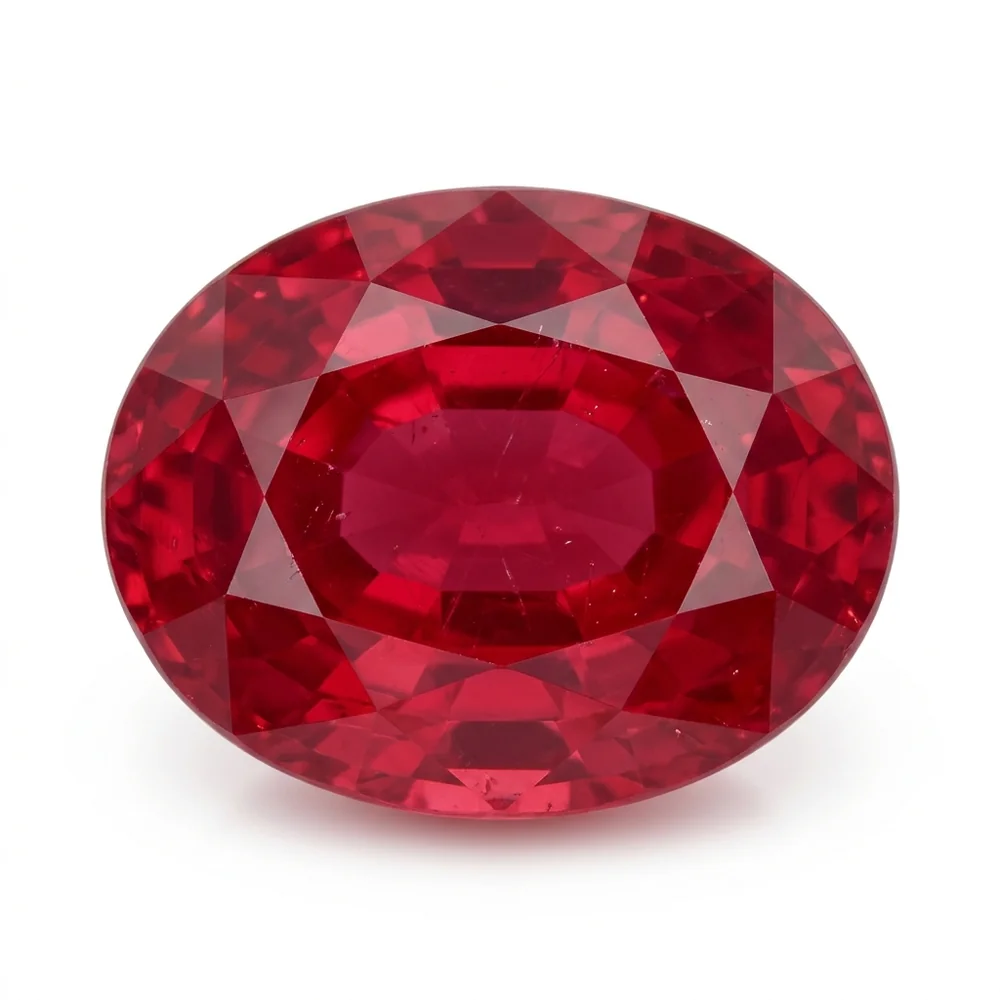
Corundum

Ruby

9.0 Mohs

Pure vibrant red to slightly purplish red; colored by trace chromium substituting for aluminum in the crystal lattice. Fluorescence under ultraviolet light...

Chemical formula
Al₂O₃ + Cr³⁺ (Aluminum Oxide with trace Chromium)
Corundum

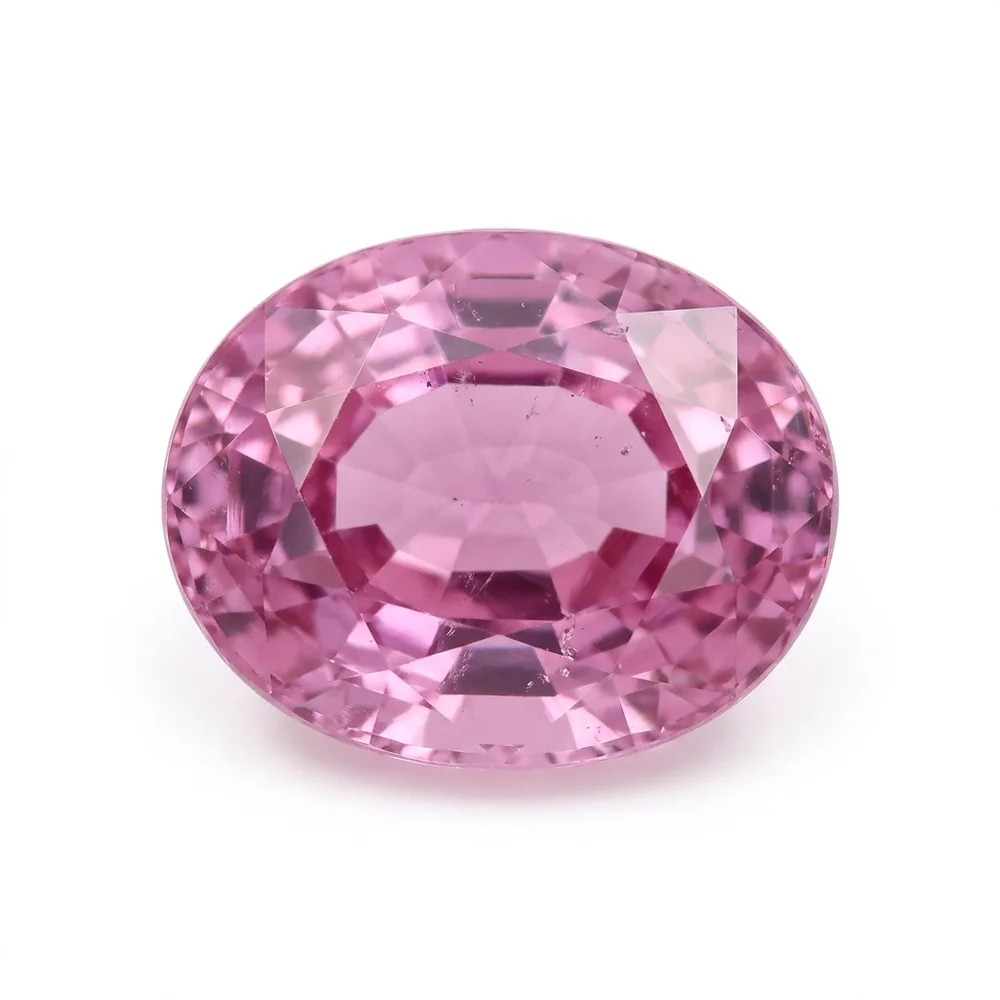
Pink Sapphire

9.0 Mohs

Delicate baby pink to vivid magenta-pink. Separated gemologically from ruby by tone and saturation thresholds defined by major laboratories. Found in marble-hosted...

Chemical formula
Al₂O₃ + Cr³⁺ (Aluminum Oxide with lower trace Chromium concentration than Ruby)
Corundum

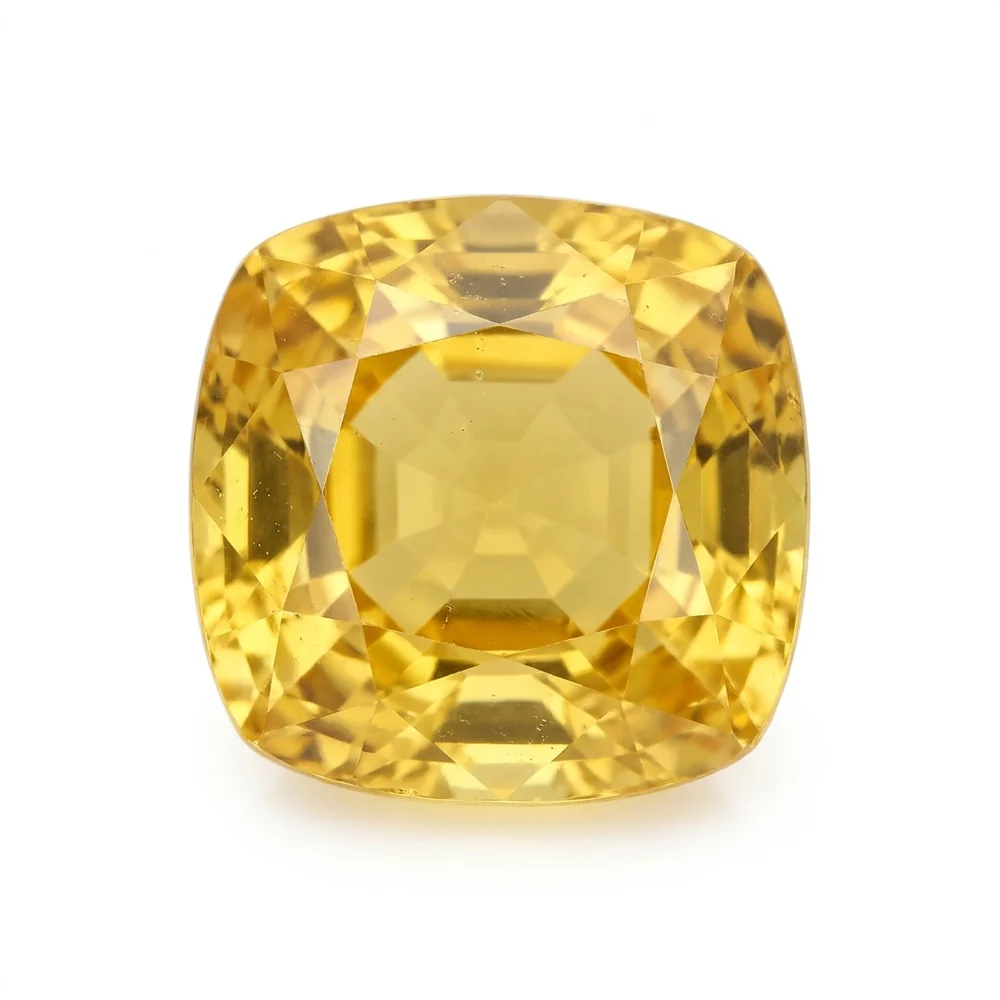
Yellow Sapphire

9.0 Mohs

Pale lemon yellow to rich canary and golden amber hues. Recovered primarily from alluvial deposits in Sri Lanka (Ratnapura), Madagascar, Tanzania, and...

Chemical formula
Al₂O₃ + Fe³⁺ (Aluminum Oxide with trace Ferric Iron and color centers)
Corundum

Blue Sapphire

9.0 Mohs

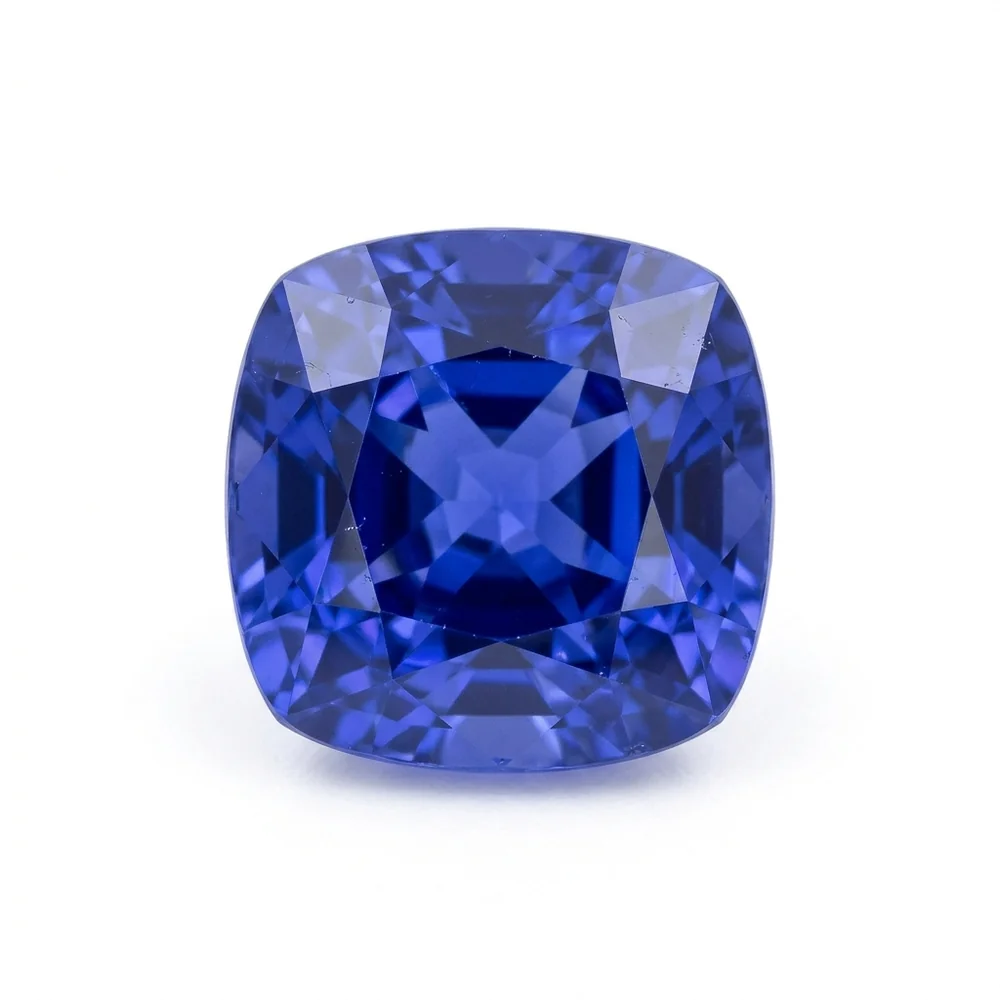
Ranging from pastel sky blue to deep velvety royal and cornflower blue, caused by intervalence charge transfer between iron (Fe2+) and titanium...

Chemical formula
Al₂O₃ + Fe²⁺/Ti⁴⁺ (Aluminum Oxide with Iron and Titanium intervalence charge transfer)
Corundum

Fancy Sapphires

9.0 Mohs

Encompasses violet, purple, green, teal, bi-color (parti), color-change (vanadium-bearing), and pinkish-orange (Padparadscha-type) corundum. Formed across diverse metamorphic and magmatic environments where shifting...

Chemical formula
Al₂O₃ + trace Cr, Fe, Ti, V
Cyclosilicate Group (Hexagonal Crystal System)

Beryl

Beryl is a beryllium aluminum cyclosilicate (Be3Al2(SiO3)6) crystallizing in the hexagonal system. Pure beryl (goshenite) is colorless, while trace chromophores such as chromium, vanadium, iron, and manganese produce some of the world's most iconic gemstones, notably Emerald, Aquamarine, Morganite, and Heliodor.

Gemological note: Northern Pakistan—specifically the Swat Valley (Mingora, Gujarkilli) for Emerald and the Karakoram pegmatites of Shigar, Hunza, and Nagar for Aquamarine, Morganite, and Goshenite—is one of the world's foremost geological provinces for the Beryl family.

Beryl

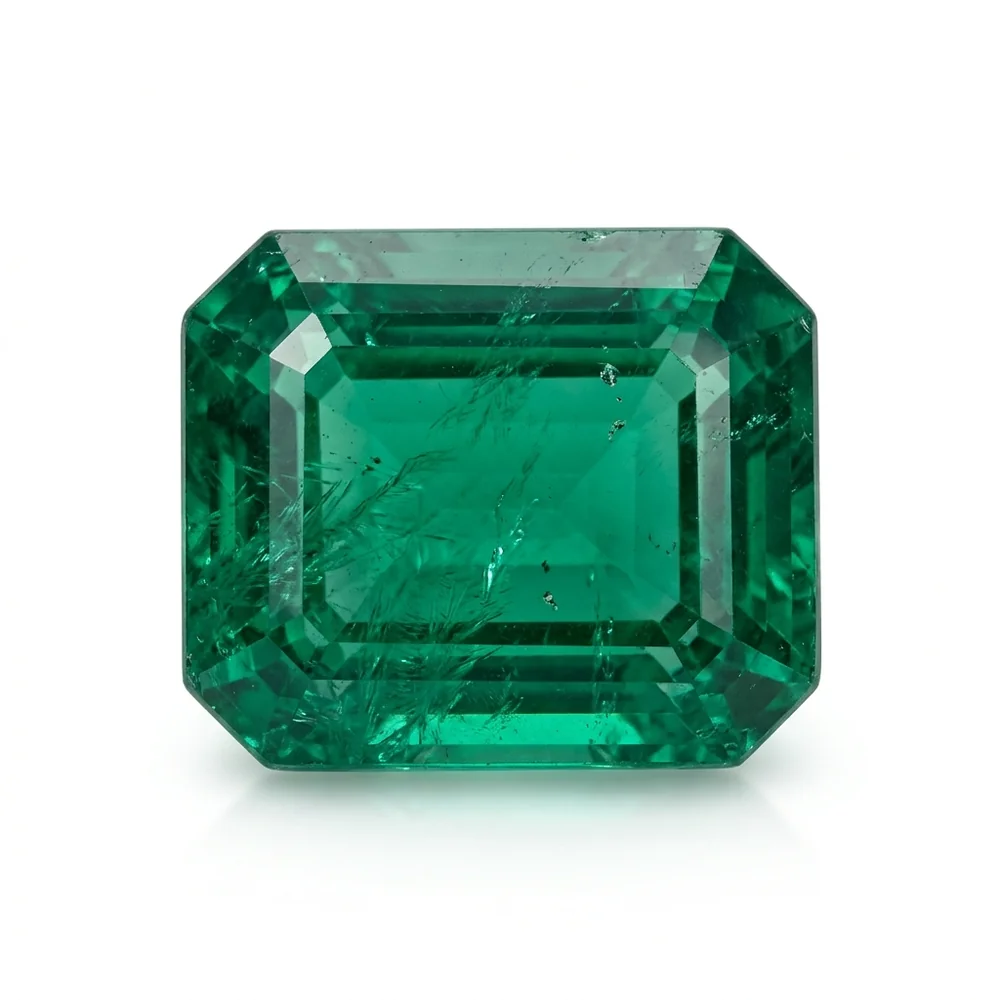
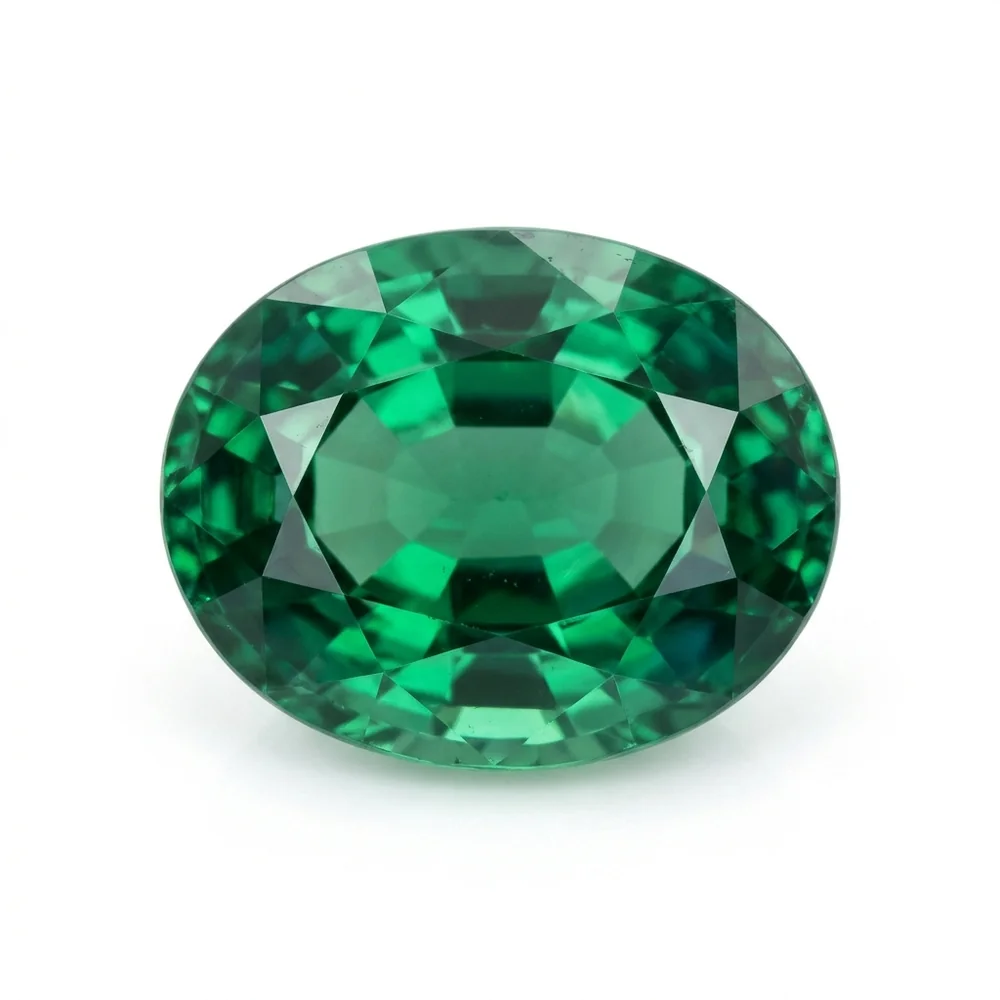
Emerald

7.5 – 8.0 Mohs

Rich bluish-green to pure vivid green; trace chromium and vanadium impart the signature emerald hue. Forms where beryllium-bearing hydrothermal fluids or pegmatites...

Chemical formula
Be₃Al₂(SiO₃)₆ + Cr³⁺/V³⁺ (Beryllium Aluminum Silicate with Chromium and/or Vanadium)
Beryl

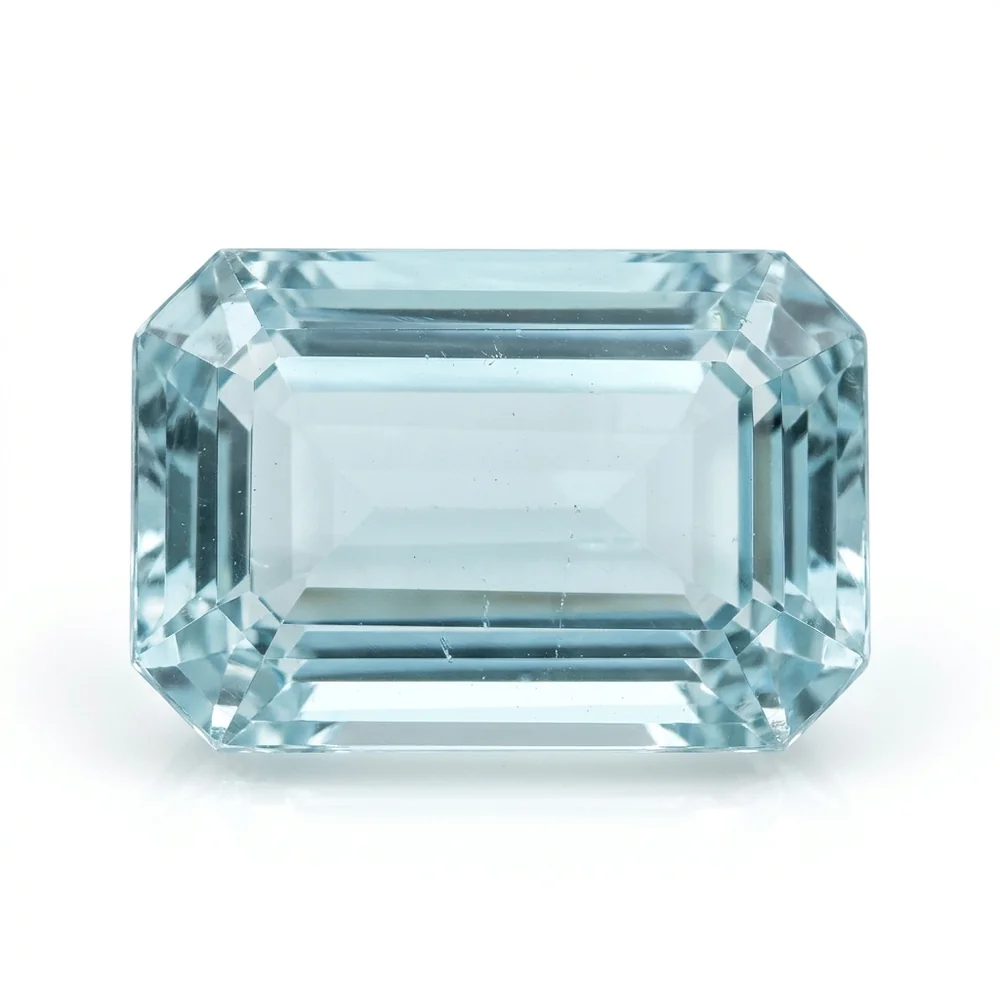
Aquamarine

7.5 – 8.0 Mohs

Pastel sky blue to deep sea-blue and greenish-blue, colored by trace iron within the hexagonal channel structure. Crystallizes in granitic miarolitic pegmatites....

Chemical formula
Be₃Al₂(SiO₃)₆ + Fe²⁺/Fe³⁺
Beryl

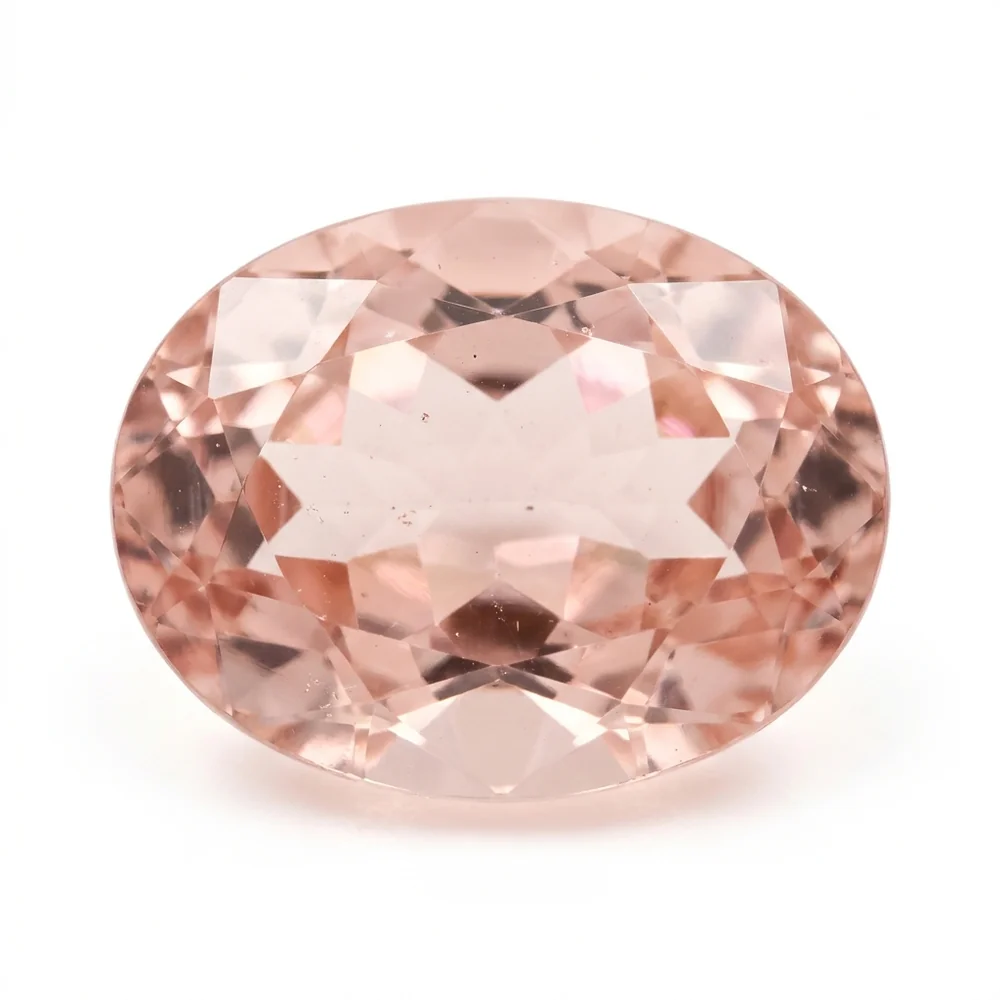
Morganite

7.5 – 8.0 Mohs

Soft rose pink, peach, and salmon-pink hues caused by trace manganese; often forms flat tabular hexagonal crystals. Forms in lithium- and cesium-enriched...

Chemical formula
Be₃Al₂(SiO₃)₆ + Mn²⁺/Mn³⁺
Beryl

Heliodor

7.5 – 8.0 Mohs

Lemon yellow, golden honey, to greenish-yellow, colored by ferric iron (Fe3+) substituting for aluminum. Crystallizes in granitic pegmatites alongside aquamarine and smoky...

Chemical formula
Be₃Al₂(SiO₃)₆ + Fe³⁺
Beryl

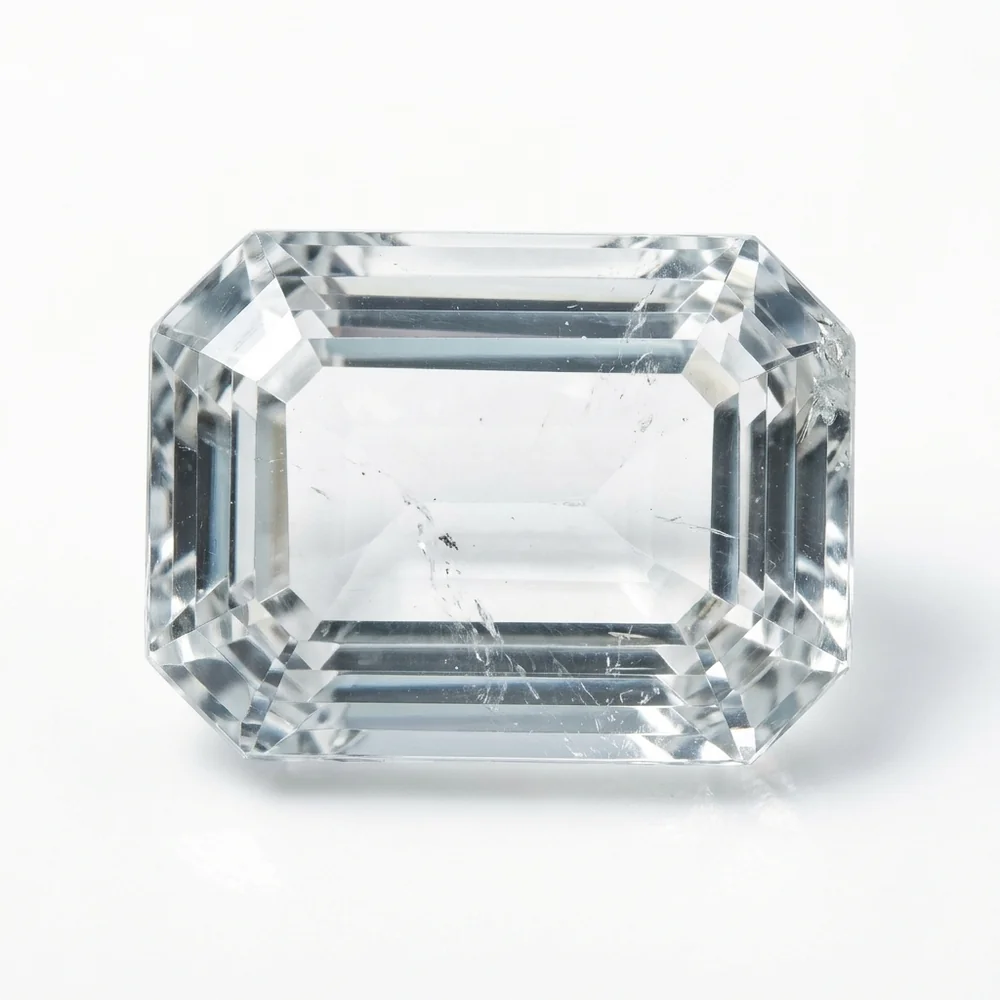
Goshenite

7.5 – 8.0 Mohs

Water-clear colorless to faint silvery-white; represents the purest chemical expression of the beryl species. Found in miarolitic cavities in granitic pegmatites in...

Chemical formula
Be₃Al₂(SiO₃)₆ (Chemically pure Beryllium Aluminum Silicate)
Nesosilicate Supergroup (Isometric / Cubic Crystal System)

Garnet

Garnet is not a single mineral species, but an isometric nesosilicate group sharing the general formula X3Y2(SiO4)3. Divided into two principal solid-solution series—Pyralspite (Pyrope, Almandine, Spessartine) and Ugrandite (Uvarovite, Grossular, Andradite)—garnets span nearly every hue of the spectrum, from deep crimson and fiery mandarin orange to vivid green Tsavorite and high-dispersion Demantoid.

Gemological note: Tsavorite is a chromium/vanadium-colored variety of the species Grossular. Demantoid is a chromium-colored variety of the species Andradite. Pakistan is a premier source for Almandine, Spessartine (Shigar/Shengus), Grossular/Hessonite, and alpine Demantoid.

Grossular

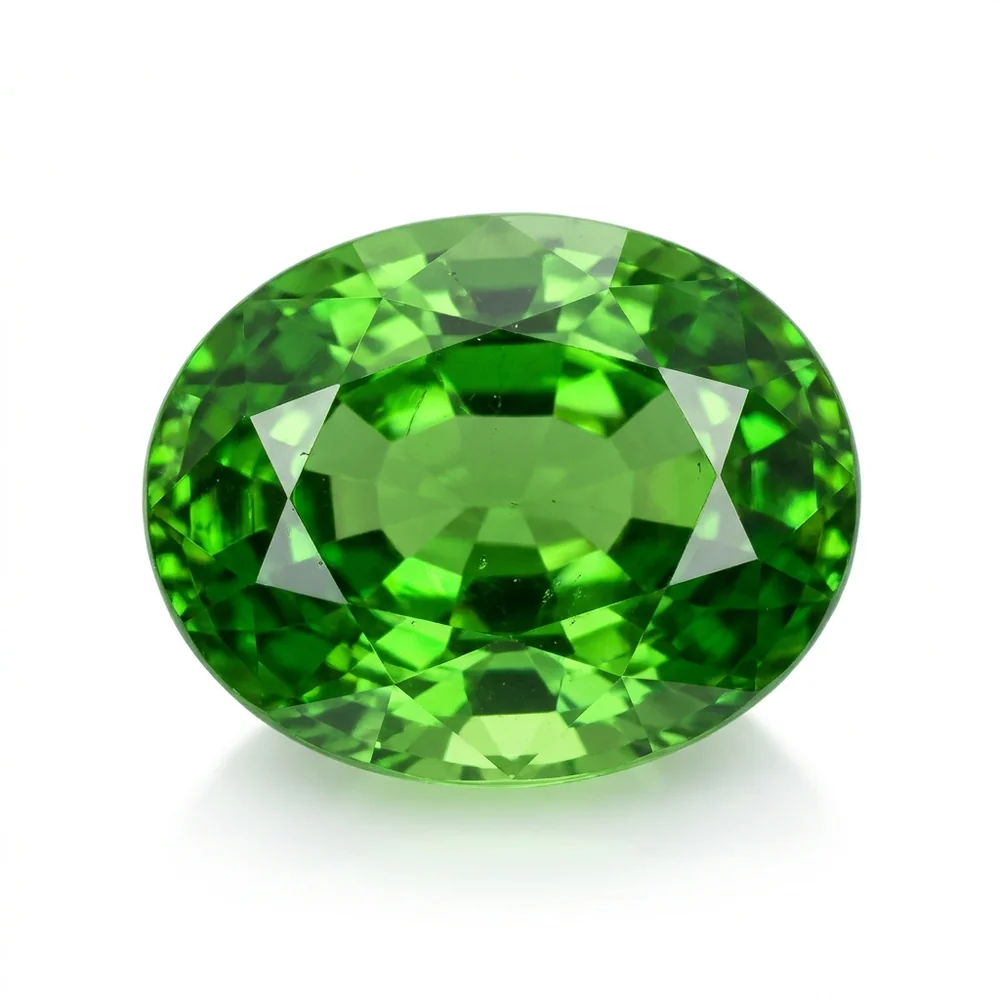
Tsavorite Garnet

7.0 – 7.5 Mohs

Vivid spring green to deep forest emerald-green. A rare variety of grossular garnet formed in graphitic gneisses and calc-silicate marbles in the...

Chemical formula
Ca₃Al₂(SiO₄)₃ + V³⁺/Cr³⁺
Andradite

Demantoid Garnet

6.5 – 7.0 Mohs

Yellowish-green to intense emerald-green with fiery rainbow dispersion flashes. A rare variety of andradite garnet hosted in serpentinized ultramafic rocks in the...

Chemical formula
Ca₃Fe³⁺₂(SiO₄)₃ + Cr³⁺
Pyrope (Pyralspite Series)

Pyrope Garnet

7.0 – 7.5 Mohs

Blood red to purplish-red; forms a continuous solid solution with almandine (including rhodolite). Originates in ultramafic mantle rocks, kimberlites, and high-pressure metamorphic...

Chemical formula
Mg₃Al₂(SiO₄)₃ (Magnesium Aluminum Silicate)
Almandine (Pyralspite Series)

Almandine Garnet

7.5 Mohs

Deep claret red, brownish-red, to violet-red. Widespread in regional metamorphic mica schists and gneisses across northern Pakistan (Swat, Neelum, Gilgit), India, and...

Chemical formula
Fe₃Al₂(SiO₄)₃ (Iron Aluminum Silicate)
Spessartine (Pyralspite Series)

Spessartine Garnet

7.0 – 7.5 Mohs

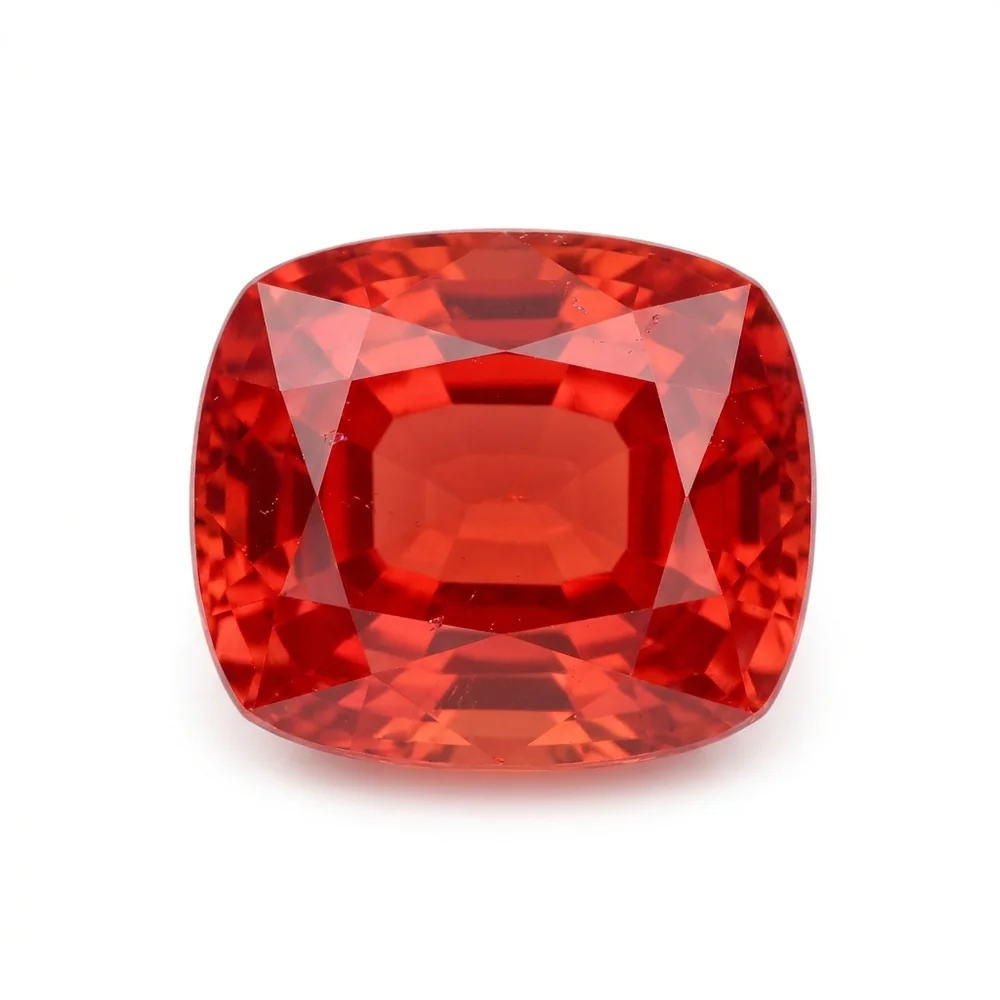
Vivid Fanta/mandarin orange (pure spessartine) to fiery reddish-orange when iron substitutes for manganese. Crystallizes in granitic pegmatites. The Shigar and Shengus valleys...

Chemical formula
Mn₃Al₂(SiO₄)₃ (Manganese Aluminum Silicate)
Grossular (Ugrandite Series)

Grossular Garnet (Hessonite & Mint)

7.0 – 7.5 Mohs

Cinnamon-honey orange (Hessonite), pastel mint green (Merelani mint), golden yellow, to colorless (Leuco garnet). Forms in contact-metamorphosed impure limestones (skarns) and rodingites...

Chemical formula
Ca₃Al₂(SiO₄)₃ (Calcium Aluminum Silicate)
Andradite (Ugrandite Series)

Andradite Garnet (Topazolite & Melanite)

6.5 – 7.0 Mohs

Honey-yellow to olive-green (Topazolite) and jet black (titanium-rich Melanite). Forms in serpentinites, skarns, and contact metamorphic zones in Pakistan (Balochistan and Khyber...

Chemical formula
Ca₃Fe³⁺₂(SiO₄)₃ (Calcium Iron Silicate)
Tectosilicate Framework Group (Monoclinic & Triclinic Systems)

Feldspar

Feldspars are framework aluminosilicates that make up over half of Earth's continental crust, yet gem-quality specimens exhibiting optical phenomena—adularescence in Moonstone, aventurescence in Sunstone, and labradorescence in Labradorite—are treasured by collectors and designers.

Gemological note: Feldspar gemstones divide between the Alkali Feldspar series (Orthoclase/Microcline—including Moonstone) and the Plagioclase series (Albite to Anorthite—including Oligoclase Sunstone and Labradorite).

Orthoclase / Albite Intergrowth (Alkali Feldspar)

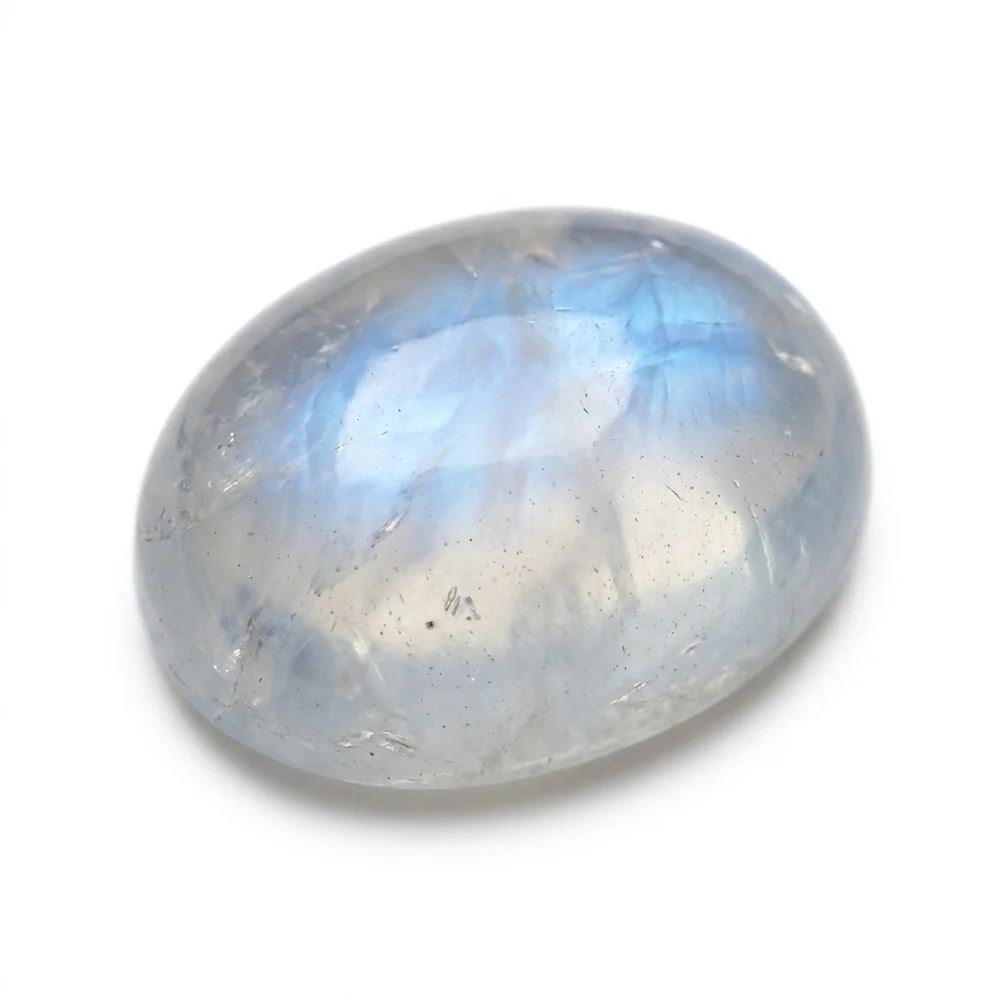
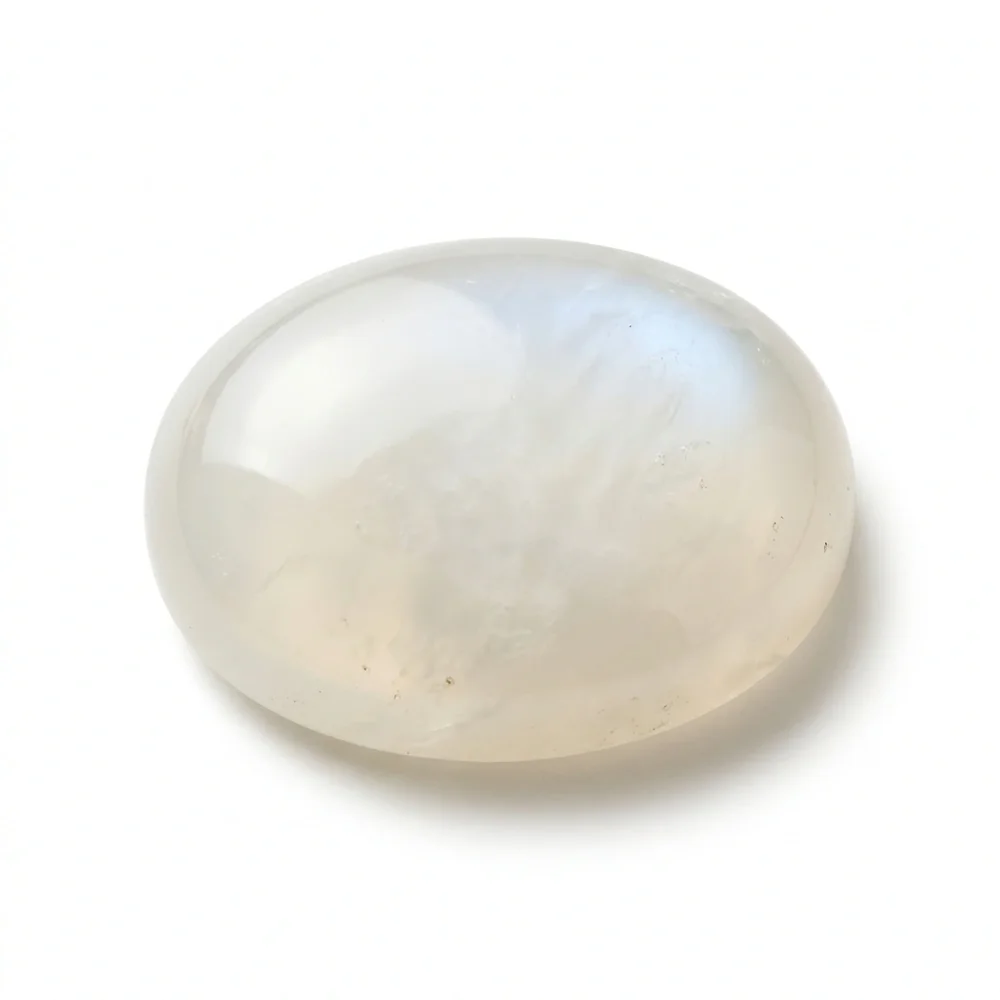
Moonstone

6.0 – 6.5 Mohs

Colorless, milky white, peach, or gray body color showing a floating blue or silvery billowy light sheen (adularescence) caused by light diffraction...

Chemical formula
(K,Na)AlSi₃O₈ (Potassium-Sodium Aluminum Silicate lamellar intergrowth)
Oligoclase / Labradorite (Plagioclase or Orthoclase Feldspar)

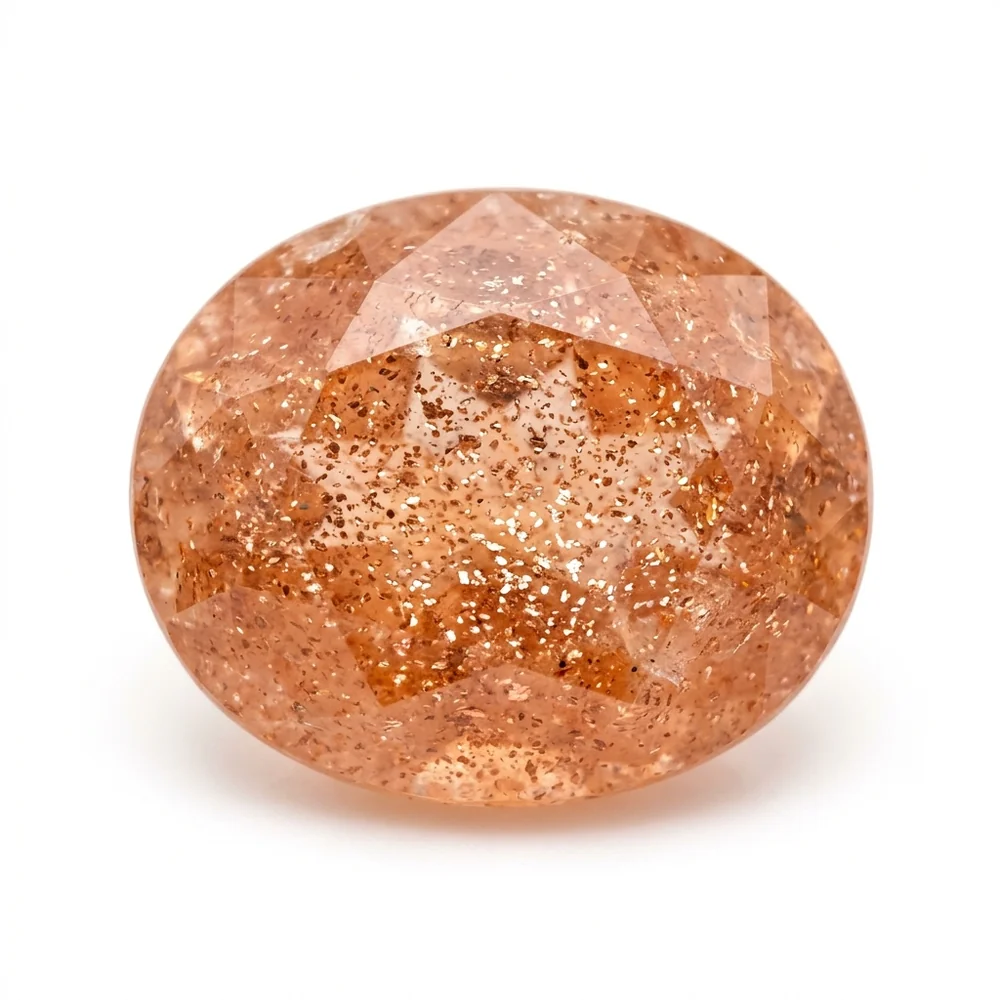
Sunstone

6.0 – 6.5 Mohs

Warm golden, peach, or coppery-red body color sparkling with metallic schiller (aventurescence) from aligned specular hematite or copper inclusions. Found in pegmatites...

Chemical formula
(Na,Ca)(Al,Si)₄O₈ with Hematite or Native Copper platelets
Labradorite (Plagioclase Feldspar Series)

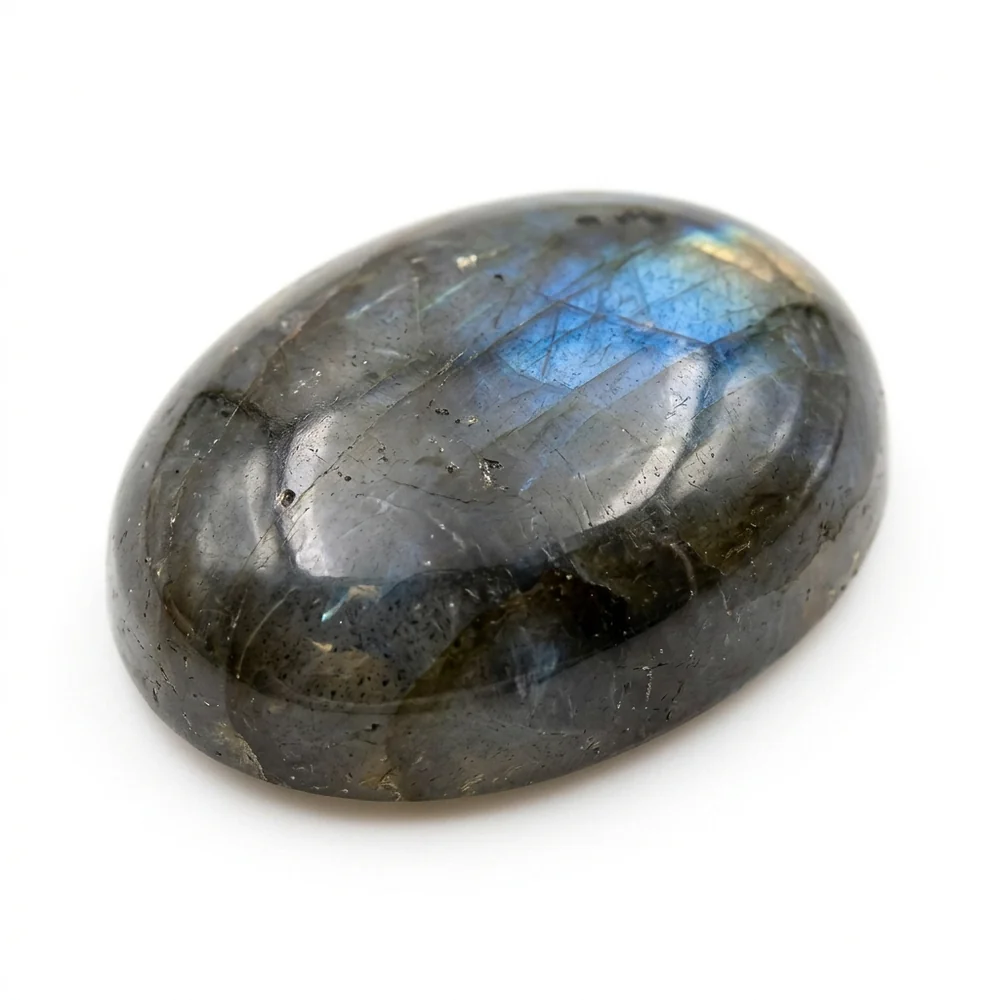
Labradorite

6.0 – 6.5 Mohs

Smoky dark gray body color flashing electric iridescent peacock blue, gold, green, and violet (labradorescence) via lamellar interference. Crystallizes in mafic igneous...

Chemical formula
(Ca,Na)(Al,Si)₄O₈ (50–70% Anorthite, 30–50% Albite)
Borosilicate Ring Group (Trigonal Crystal System)

Tourmaline

Tourmaline is a complex boron silicate mineral supergroup (most gem varieties belonging to the lithium-rich species Elbaite, plus Liddicoatite and Dravite) renowned for exhibiting the widest color range of any gem family on Earth. Strongly pleochroic and pyroelectric/piezoelectric, tourmalines from the pegmatites of Gilgit-Baltistan (Stak Nala, Shigar, Shengus), Afghanistan, Brazil, and Africa are cornerstones of both fine jewelry and mineral collecting.

Gemological note: Because tourmaline is strongly dichroic (exhibiting dark absorption down the c-axis in many blue/green crystals), expert lapidary orientation is critical to maximizing brightness.

Elbaite / Liddicoatite

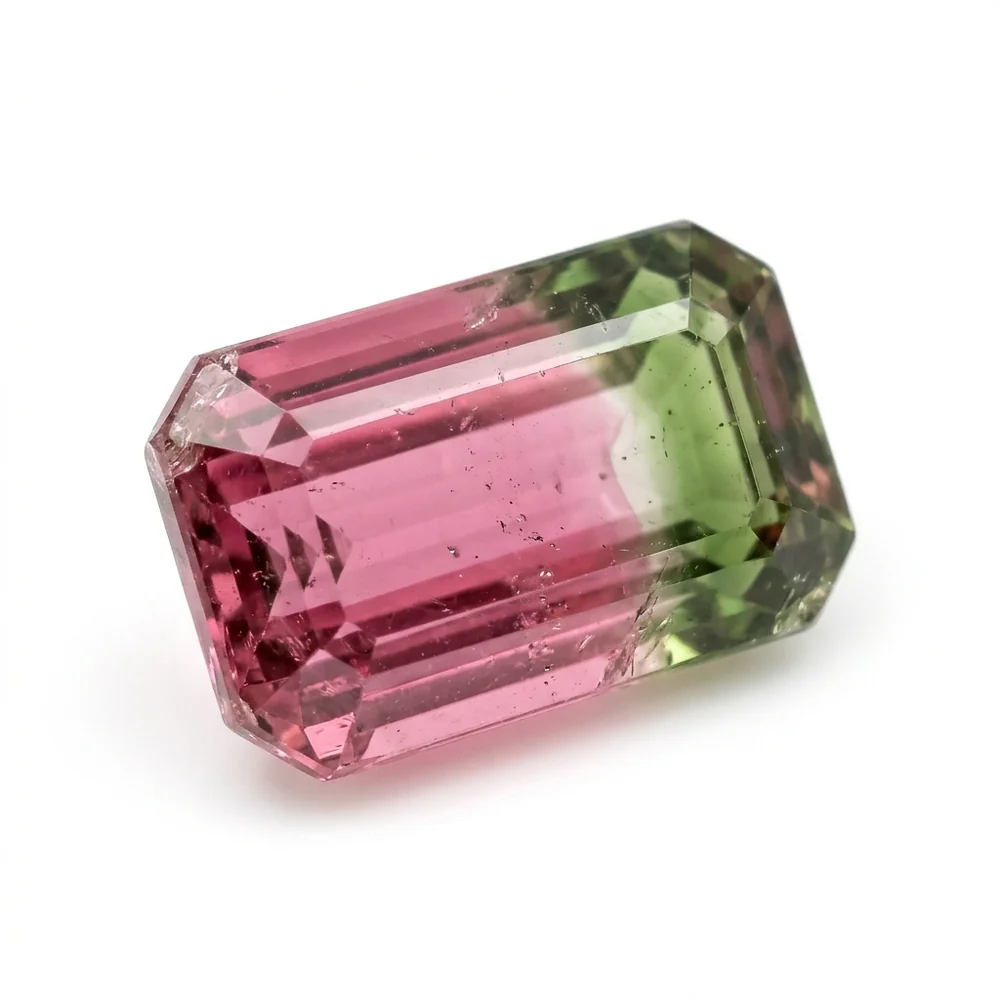
Watermelon & Bi-Color Tourmaline

7.0 – 7.5 Mohs

Concentric or longitudinal color zoning featuring a pink/red core surrounded by a green rind (true watermelon), or sharp pink-and-green bi-color/tri-color transitions (such...

Chemical formula
Na(Li,Al)₃Al₆(BO₃)₃Si₆O₁₈(OH)₄ with zoned Mn and Fe
Elbaite / Fluor-liddicoatite (Tourmaline Group)

Rubellite Tourmaline

7.0 – 7.5 Mohs

Rich ruby-red, cranberry, to vivid shock-pink that retains its saturated red-pink hue under both daylight and incandescent lighting (unlike ordinary pink tourmaline,...

Chemical formula
Na(Li,Al)₃Al₆(BO₃)₃Si₆O₁₈(OH)₄ + Mn³⁺
Elbaite (Tourmaline Group)

Indicolite Tourmaline

7.0 – 7.5 Mohs

Deep indigo blue, teal lagoon blue, to oceanic greenish-blue. Recovered from high-altitude miarolitic pegmatites in Pakistan (Shigar, Stak Nala, Astor), Afghanistan (Pech/Paprok),...

Chemical formula
Na(Li,Al)₃Al₆(BO₃)₃Si₆O₁₈(OH)₄ + Fe²⁺
Elbaite / Fluor-liddicoatite (Cuprian Tourmaline)

Paraíba-Type (Cuprian) Tourmaline

7.0 – 7.5 Mohs

Vivid neon swimming-pool blue, electric turquoise, and glowing mint green, powered by trace divalent copper (Cu2+) and manganese. First discovered in Paraíba,...

Chemical formula
Na(Li,Al)₃Al₆(BO₃)₃Si₆O₁₈(OH)₄ + Cu²⁺ / Mn³⁺
Oxide Spinel Group (Isometric / Cubic Crystal System)

Spinel

Spinel (MgAl2O4) is a magnesium aluminum oxide that crystallizes in the isometric system as sharp octahedra. Singly refractive, harder than tourmaline or garnet (8.0 Mohs), and rarely subjected to any heat treatment, spinel was historically confused with ruby and sapphire in royal treasuries (such as the Black Prince's Ruby and the Timur Ruby) before modern mineralogy distinguished its cubic crystal structure.

Gemological note: 'Jedi Spinel' is a modern trade description coined by gemologist Vincent Pardieu for neon pinkish-red spinels lacking dark iron extinction, and is NOT a distinct mineral species.

Spinel

Red Spinel

8.0 Mohs

Pure crimson red,brick-red, to traffic-light red, colored by chromium substituting for aluminum with strong red organ-pipe fluorescence under UV light. Forms in...

Chemical formula
MgAl₂O₄ + Cr³⁺ (Magnesium Aluminum Oxide with Chromium)
8.0 Mohs

Intense electric royal to neon blue caused by trace divalent cobalt (Co2+), distinct from common grayish-blue iron-colored spinel. Extremely rare marble-hosted occurrences...

Chemical formula
MgAl₂O₄ + Co²⁺ (± Fe²⁺)

Glowing neon hot-pink to electric pinkish-red with virtually zero dark tone ('no dark side'), caused by high chromium and negligible iron (which...

Chemical formula
MgAl₂O₄ + Cr³⁺ (Very low Iron content)
Oxide Group (Orthorhombic Crystal System)

Chrysoberyl

Chrysoberyl (BeAl2O4) is a beryllium aluminum oxide that ranks third in hardness among natural oxide gemstones at 8.5 on the Mohs scale (surpassed only by diamond and corundum). Despite containing 'beryl' in its historical name, chrysoberyl is an orthorhombic oxide entirely distinct from the silicate beryl family, famous for two phenomenal varieties: color-change Alexandrite and chatoyant Cat's-Eye Chrysoberyl (Cymophane).

Gemological note: When unqualified in the gem trade, the term 'Cat's-Eye' alone may legally and gemologically refer ONLY to Cat's-Eye Chrysoberyl; all other chatoyant stones must include their species name (e.g., Cat's-Eye Quartz or Cat's-Eye Tourmaline).

Chrysoberyl

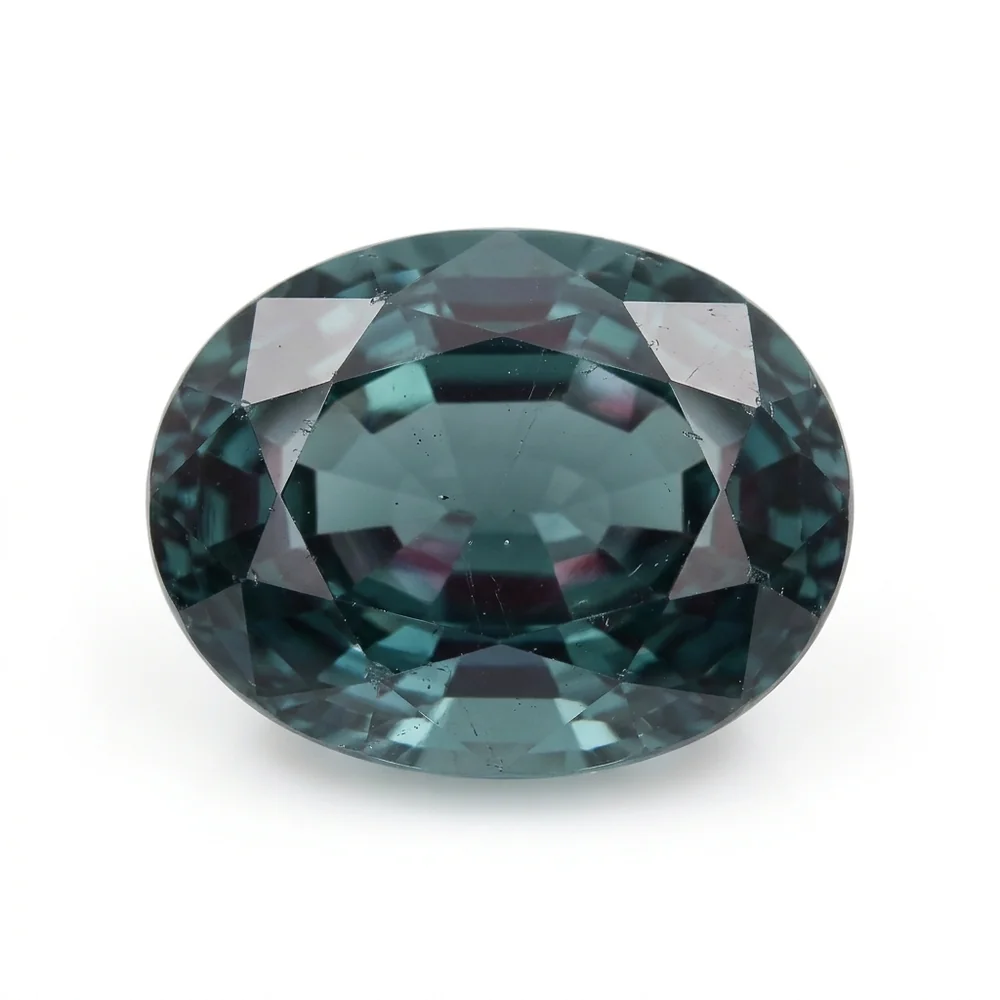
Alexandrite

8.5 Mohs

Exhibits the 'Alexandrite Effect'—appearing bluish-green to grass-green in daylight or fluorescent light and shifting to raspberry-red or purplish-red under incandescent/warm candlelight due...

Chemical formula
BeAl₂O₄ + Cr³⁺ (Beryllium Aluminum Oxide with trace Chromium)
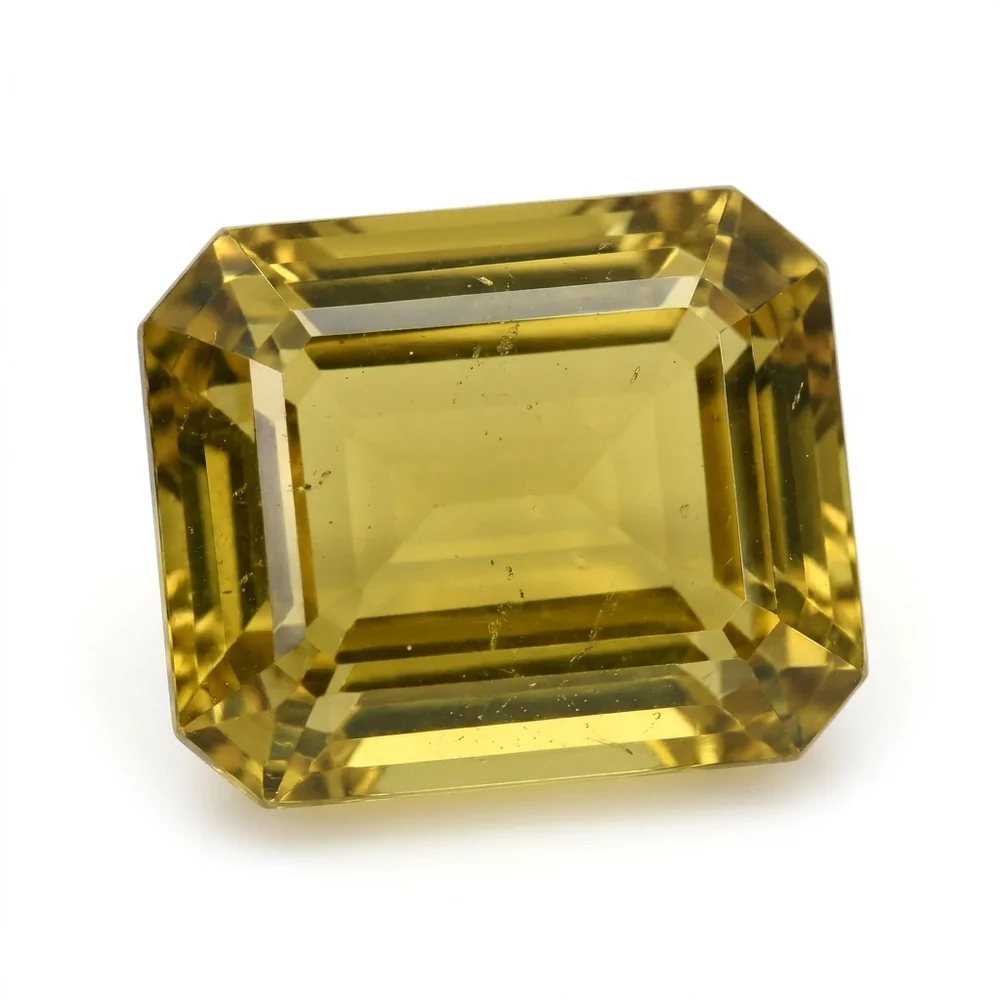
8.5 Mohs

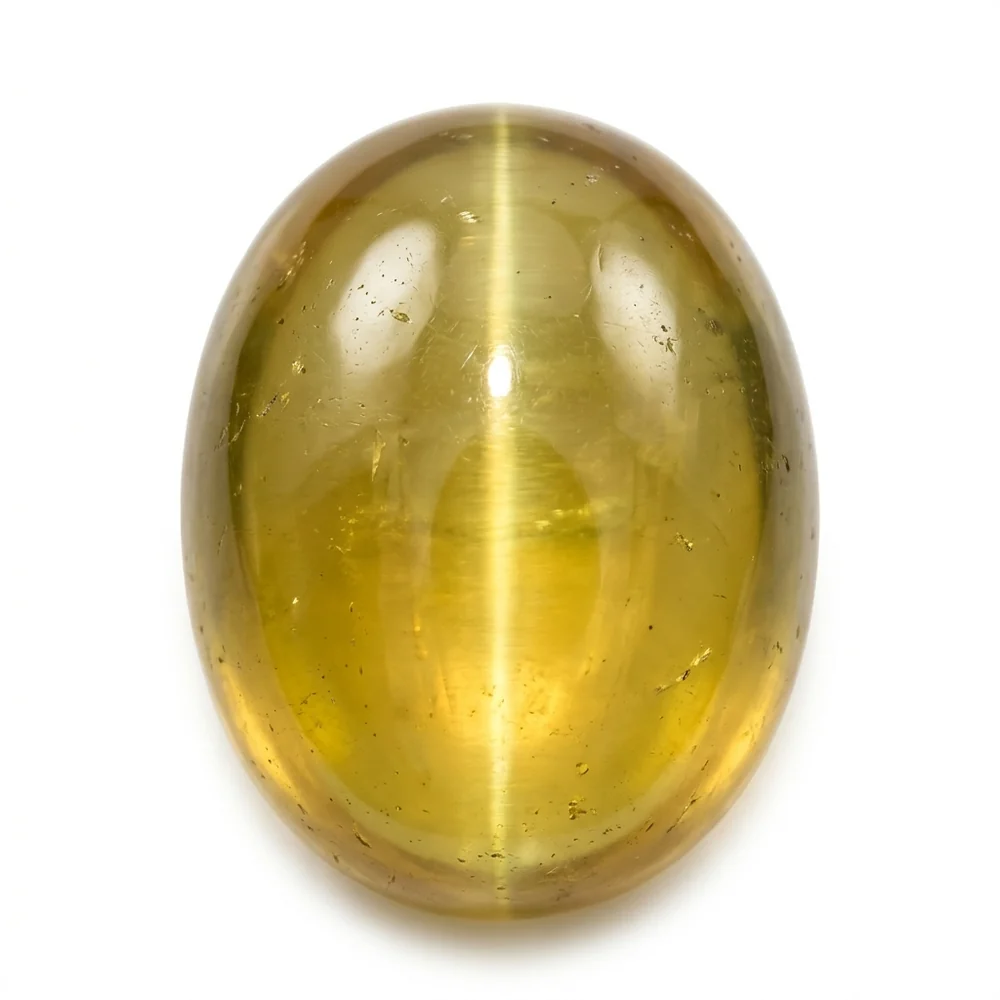
Golden honey, greenish-yellow, to olive-brown body color bisected by a razor-sharp silvery-white band of light (chatoyancy), often showing the coveted 'milk and...

Chemical formula
BeAl₂O₄ with parallel microscopic rutile/growth tubes
Tectosilicate / Silica Group (Trigonal Crystal System)

Quartz (Macrocrystalline)

Macrocrystalline quartz (SiO2) forms visible six-sided prisms terminated by rhombohedral faces. Distinguished by its hardness of 7 on the Mohs scale, piezoelectric properties, and diverse color centers or mineral inclusions, quartz includes beloved varieties from Amethyst and Citrine to distinctive Pakistani Petroleum-Inclusion Quartz.

Gemological note: Both macrocrystalline quartz and microcrystalline chalcedony share the chemical formula SiO2 within the broader silica mineral system, differing primarily in crystal grain size and growth habit.

Macrocrystalline Quartz

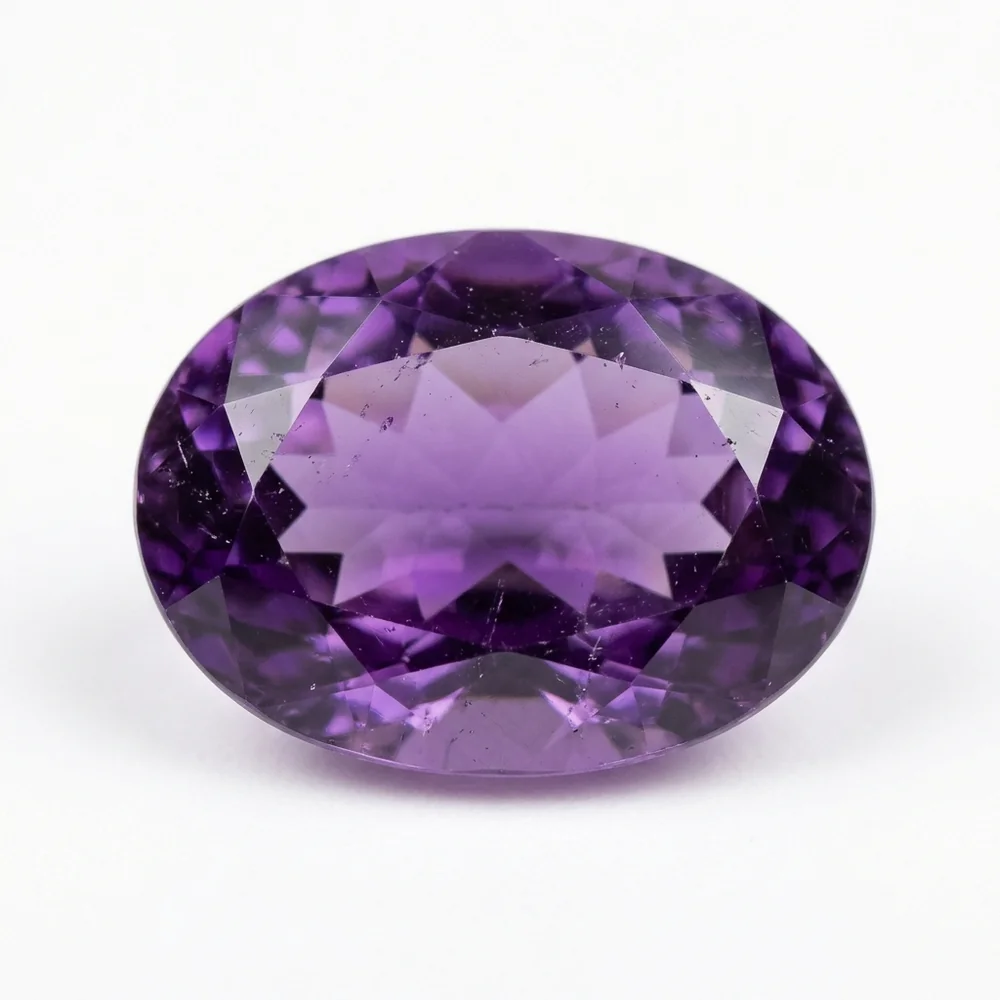
Amethyst

7.0 Mohs

Lilac lavender to deep royal purple, often with angular color zoning aligned with rhombohedral crystal faces. Forms in volcanic basalt geodes, hydrothermal...

Chemical formula
SiO₂ + Fe³⁺/Fe⁴⁺ color centers
Macrocrystalline Quartz

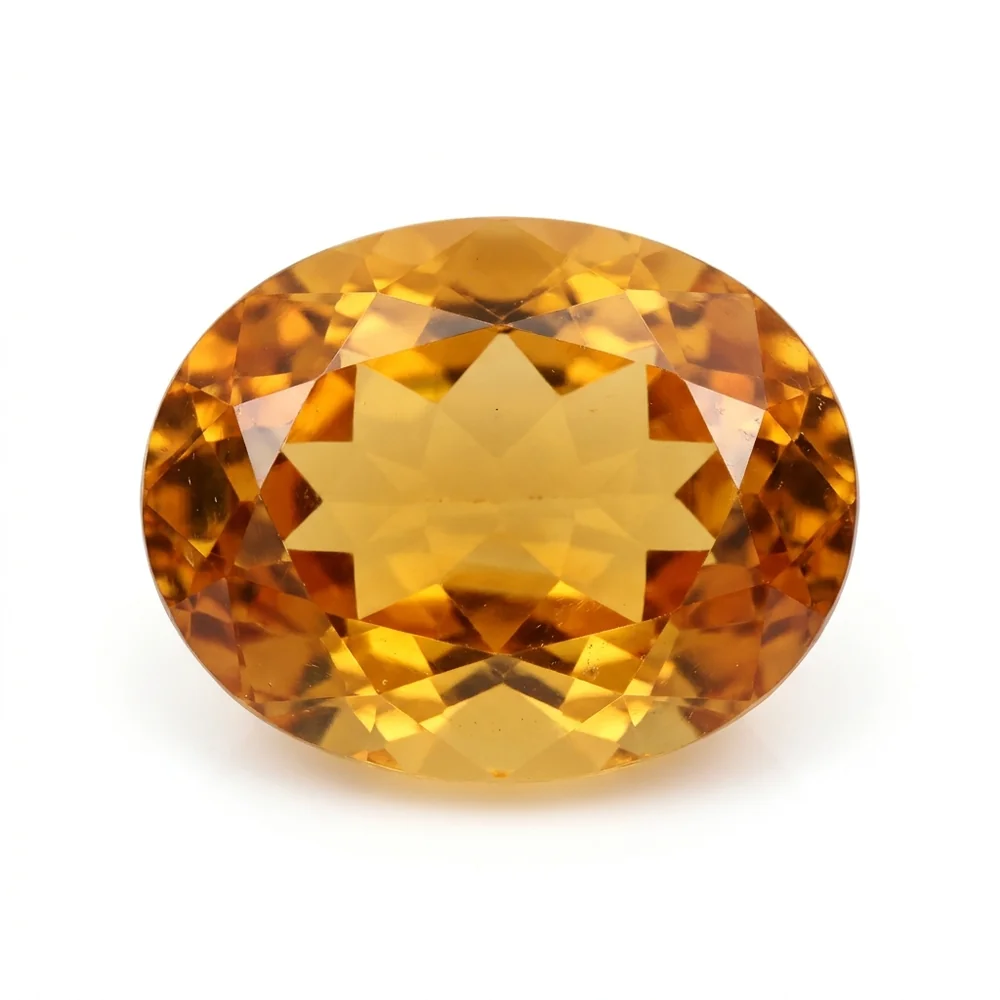
Citrine

7.0 Mohs

Pale yellow, honey gold, to warm Madeira orange-brown. Natural unheated citrine forms in hydrothermal veins and granitic pegmatites; much commercial citrine is...

Chemical formula
SiO₂ + Fe³⁺
Macrocrystalline Quartz

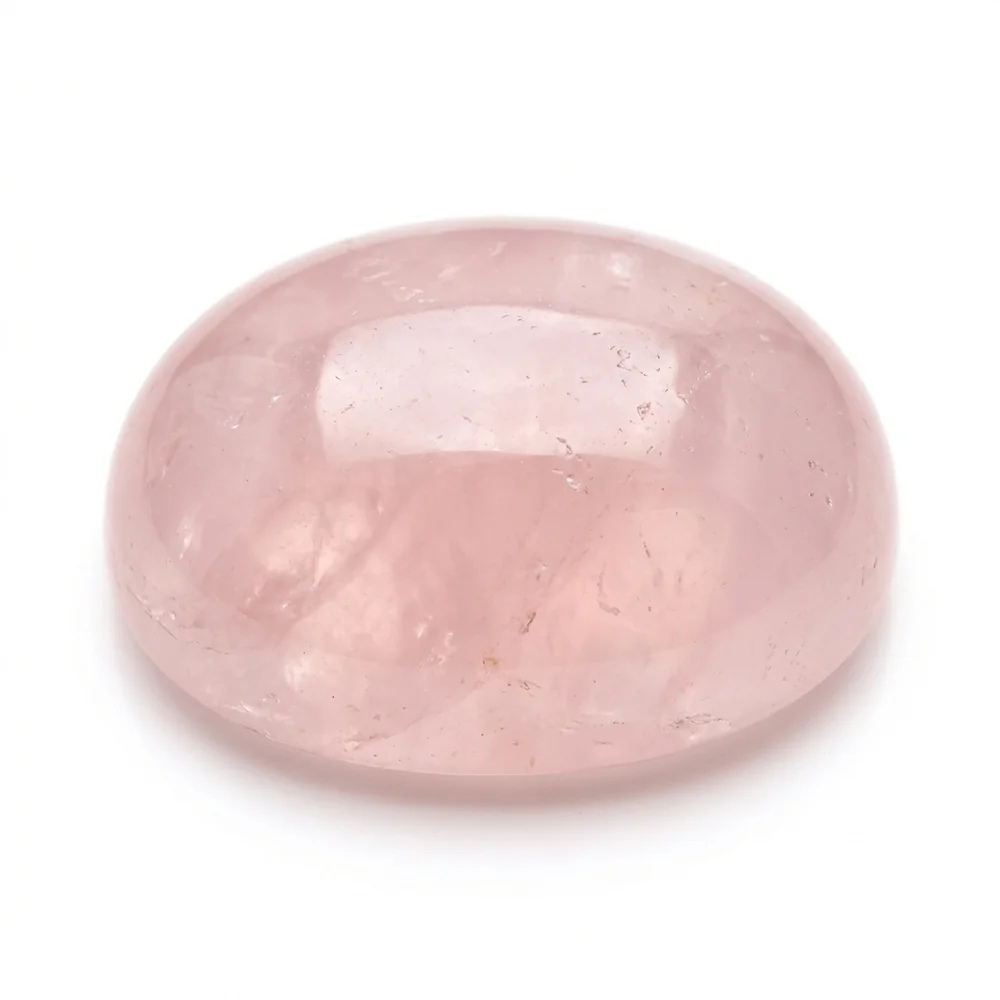
Rose Quartz

7.0 Mohs

Soft pastel pink to rose pink, typically translucent to milky with gentle internal light scattering (sometimes showing asterism when cut en cabochon)....

Chemical formula
SiO₂ + microscopic borosilicate (dumortierite-type) nanofibers
Macrocrystalline Quartz

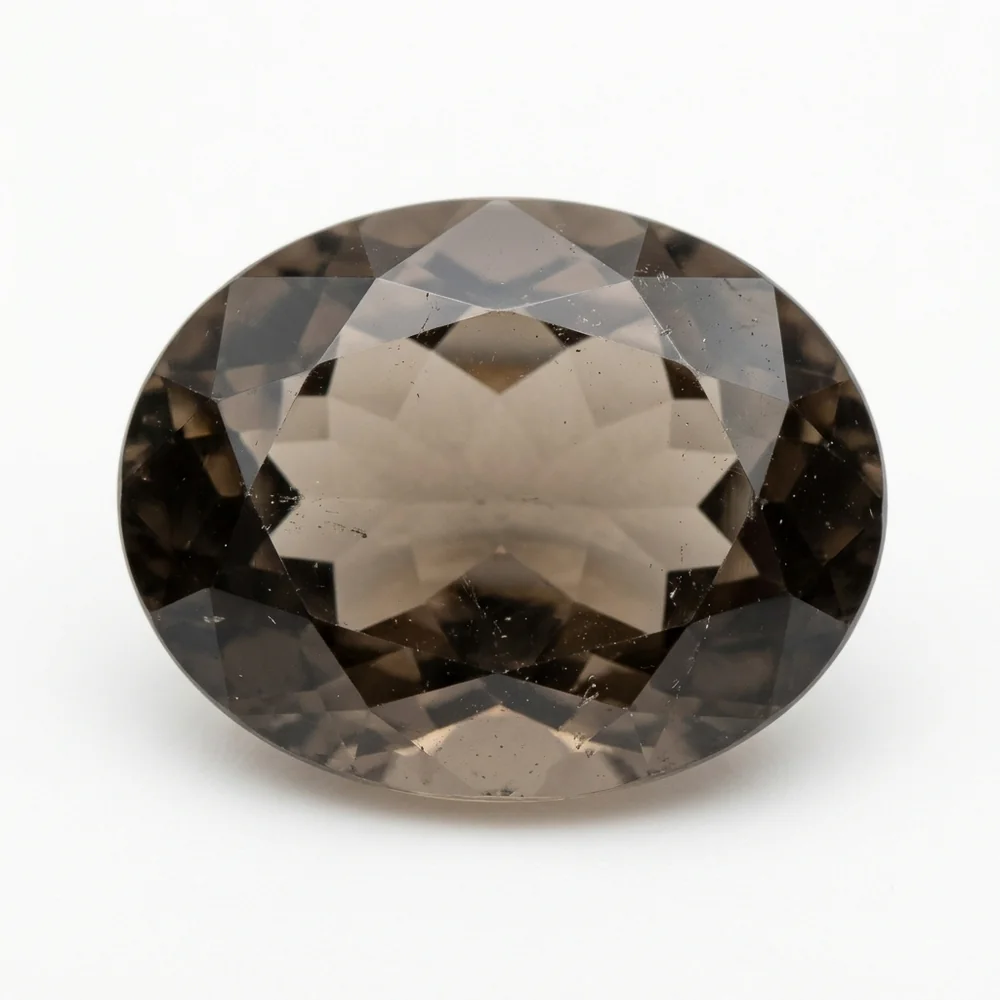
Smoky Quartz

7.0 Mohs

Translucent smoky tan and cognac brown to nearly opaque black (known mineralogically as 'Morion'). Abundant in alpine clefts and high-altitude Karakoram pegmatites...

Chemical formula
SiO₂ + Al³⁺ color centers activated by natural background radiation
Macrocrystalline Quartz

Milky Quartz

7.0 Mohs

Cloudy white to translucent snow-white caused by Tyndall scattering from millions of microscopic fluid cavities trapped during rapid crystal growth. Common in...

Chemical formula
SiO₂ with microscopic fluid (gas-liquid) inclusions
Macrocrystalline Quartz

Rutilated Quartz

7.0 Mohs

Transparent rock crystal or smoky quartz penetrated by golden, coppery-red, or silvery needle-like crystals of titanium dioxide (rutile). Forms in hydrothermal and...

Chemical formula
SiO₂ host with TiO₂ (Rutile) acicular inclusions
Macrocrystalline Quartz

Clear Quartz / Rock Crystal

7.0 Mohs

Water-clear and colorless with vitreous luster. Forms in alpine hydrothermal veins and pegmatitic cavities worldwide, including high-altitude clefts in northern Pakistan.

Chemical formula
SiO₂ (Pure Silicon Dioxide)
Macrocrystalline Quartz

Petroleum-Inclusion Quartz

7.0 Mohs

Water-clear doubly terminated crystals housing golden-yellow to amber droplets of ancient liquid petroleum that fluoresce bright electric blue-yellow under longwave UV light....

Chemical formula
SiO₂ containing liquid hydrocarbon (petroleum), methane gas bubbles, and asphaltite inclusions
Silica / Quartz Mineral System (Microcrystalline / Cryptocrystalline SiO2)

Chalcedony / Microcrystalline Quartz

Chalcedony comprises the microcrystalline and cryptocrystalline varieties of silica (SiO2), composed of sub-microscopic intergrowths of quartz and moganite fibers. Belonging squarely within the broader silica/quartz mineral system, chalcedony exhibits a waxy-to-vitreous luster, superior toughness due to its interlocking fibrous structure, and rich banding or solid colors across Agate, Carnelian, Chrysoprase, Bloodstone, and Jasper.

Gemological note: Because chalcedony lacks single-crystal cleavage planes, its aggregate toughness is exceptionally high, making it the premier material for historical seals, cameos, and signet rings.

Quartz (Chalcedony Aggregate)

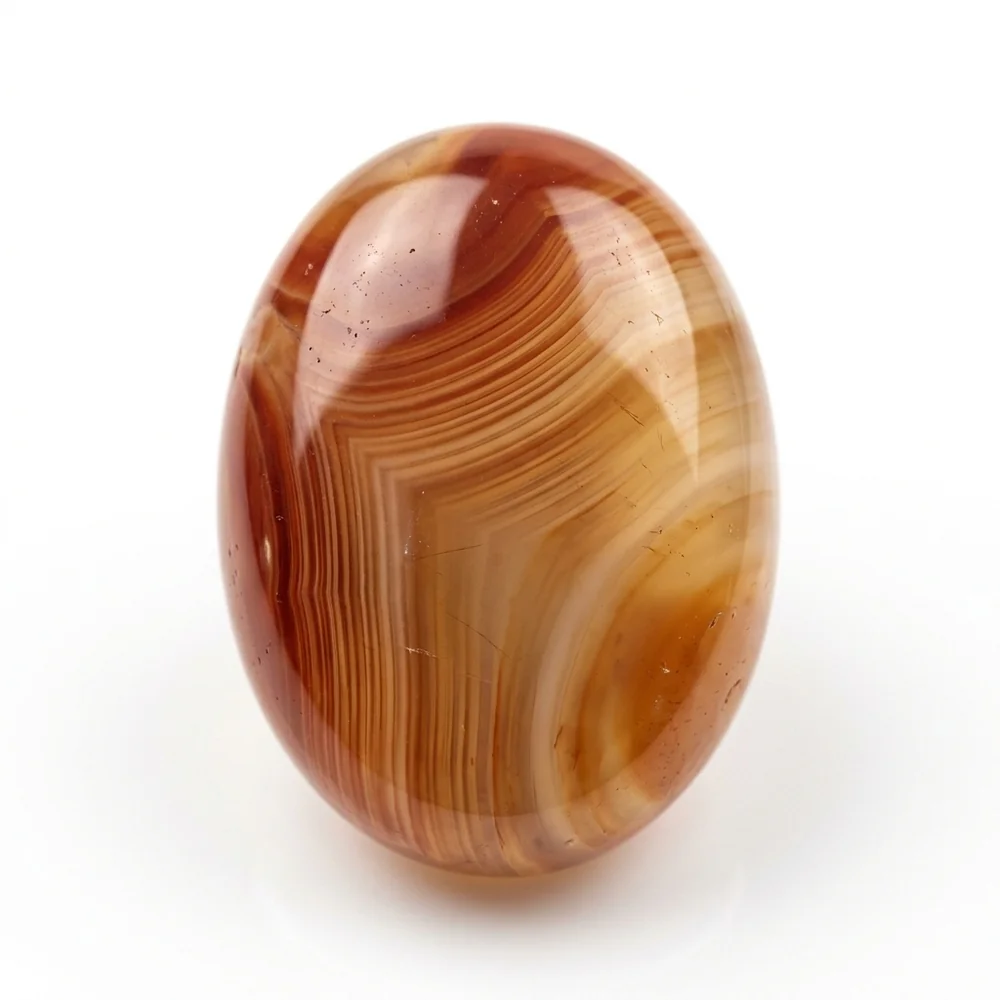
Agate

6.5 – 7.0 Mohs

Curved or angular concentric banding in translucent white, gray, amber, red, and blue-gray tones, as well as dendritic or moss-like manganese/iron inclusions....

Chemical formula
SiO₂ (Microcrystalline fibrous silica with trace iron/manganese oxides)
Quartz (Chalcedony Aggregate)

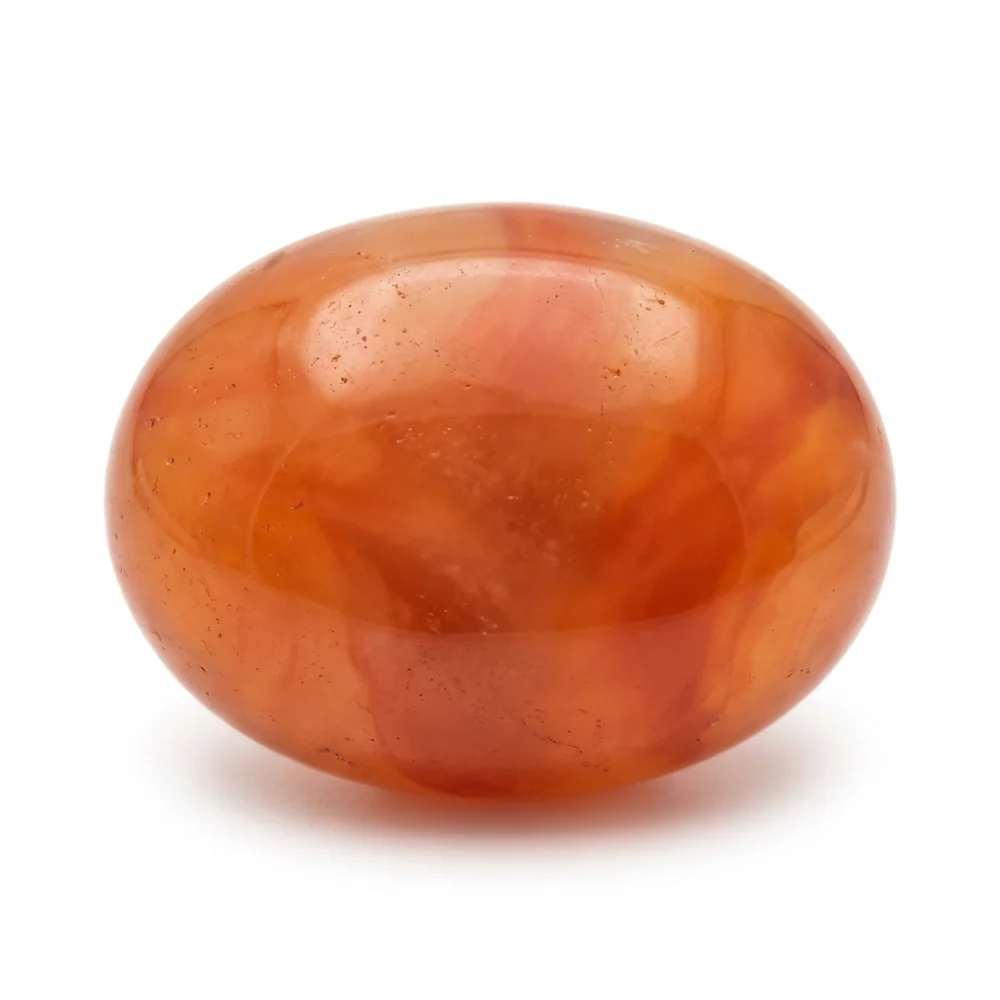
Carnelian

6.5 – 7.0 Mohs

Translucent warm orange, fiery sunset red, to brownish-red (sard). Found in weathered volcanic nodules across South Asia (historically Gujarat and Indus Valley...

Chemical formula
SiO₂ + Fe₂O₃ (Hematite/Iron Oxide sub-microscopic inclusions)
Quartz (Chalcedony Aggregate)

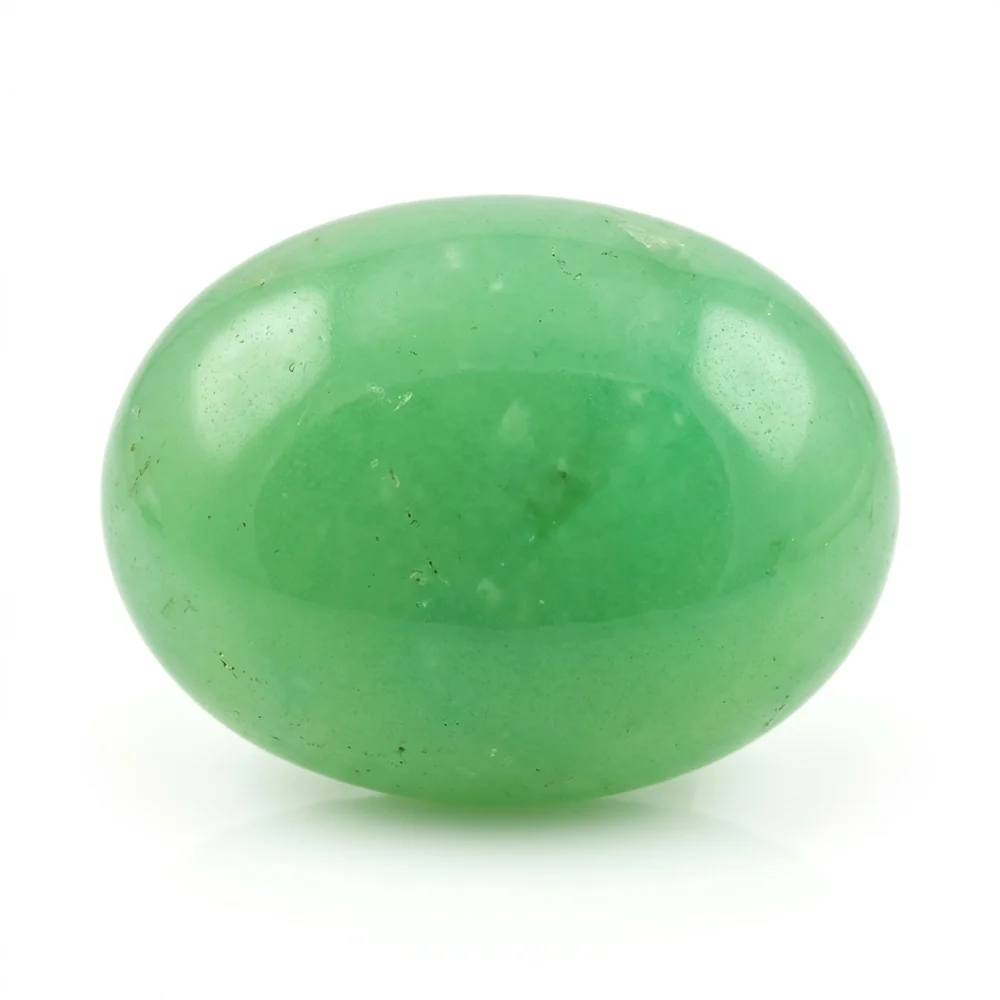
Chrysoprase

6.5 – 7.0 Mohs

Vivid apple green to mint green; unlike emerald or chrome chalcedony, its color comes from trace nickel rather than chromium. Forms in...

Chemical formula
SiO₂ + Ni²⁺ (Nickel-bearing phyllosilicate/pimelite inclusions)
Quartz (Chalcedony / Plasma Aggregate)

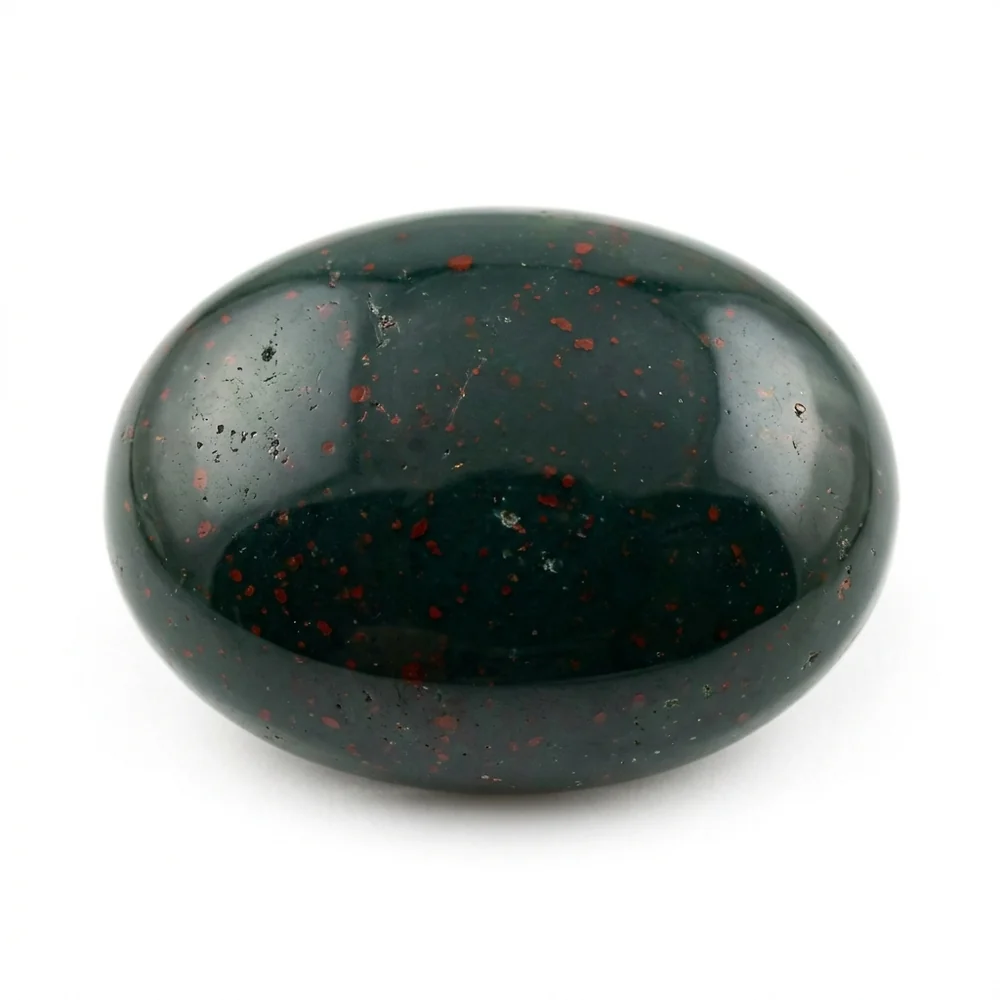
Bloodstone (Heliotrope)

6.5 – 7.0 Mohs

Deep forest-green semitranslucent to opaque chalcedony speckled with vivid crimson spots of iron oxide (hematite). Occurs in volcanic cavities in South Asia...

Chemical formula
SiO₂ + Chlorite/Amphibole (green) and Hematite (red spots)
Quartz (Microgranular Silica Aggregate)

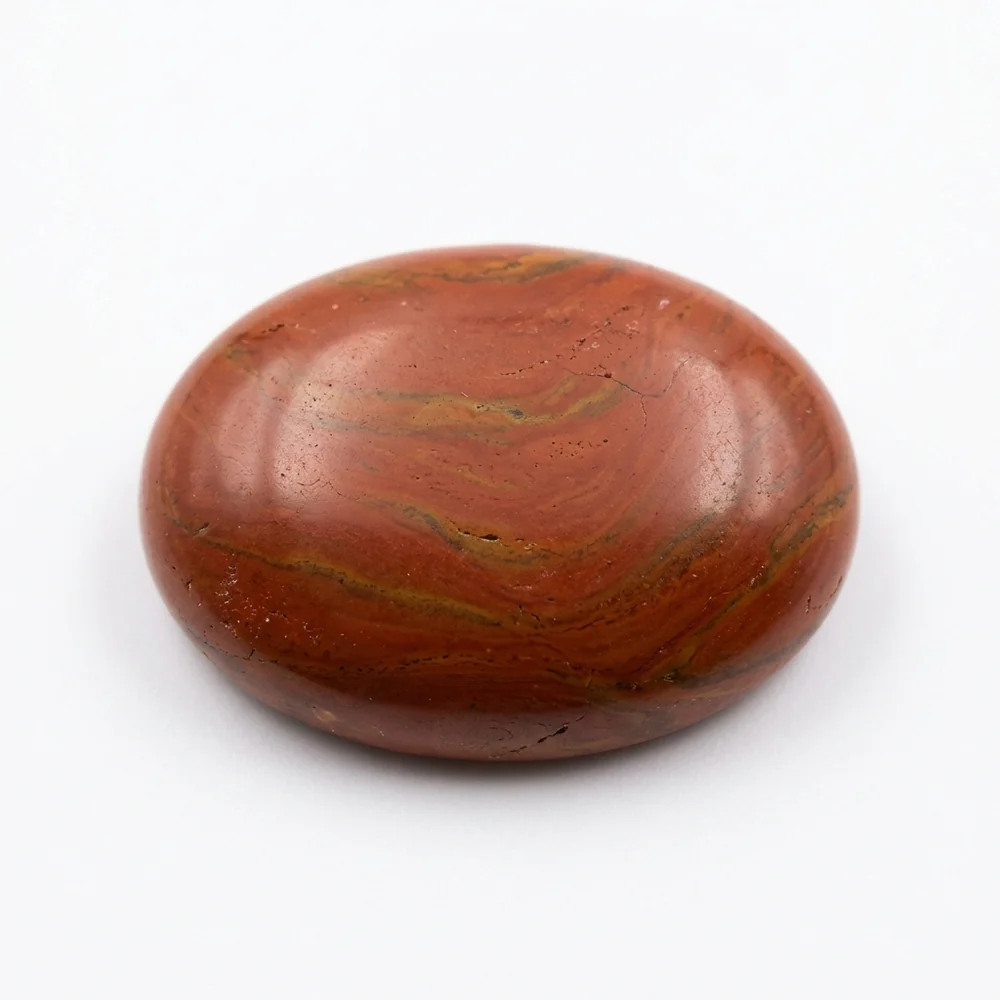
Jasper

6.5 – 7.0 Mohs

Opaque terracotta red, ochre yellow, sage green, orbicular, or landscape-patterned bands caused by rich mineral inclusions. Sedimentary and volcanic silica formations consolidated...

Chemical formula
SiO₂ + up to 20% iron oxides, clay minerals, and mineral inclusions
Inosilicate Aggregate System (Monoclinic Pyroxene & Amphibole)

Jade (Jadeite & Nephrite)

In gemology, 'Jade' refers correctly to only two distinct, extraordinarily tough metamorphic silicate rocks composed of interlocking mineral crystals: Jadeite (a sodium aluminum pyroxene) and Nephrite (a calcium magnesium-iron amphibole). Both share a rich cultural history spanning millennia across East, Central, and South Asia.

Gemological note: Many green stones marketed casually as 'Pakistan Jade' or 'Afghan Jade' in souvenir markets are actually bowenite (serpentine) or banded calcite/aragonite, whereas true Nephrite Jade also occurs in northern Pakistan (Mohmand/Khyber and Gilgit regions). FADI Gems strictly distinguishes true Nephrite and Jadeite from serpentine or carbonate lookalikes.

Jadeite (Pyroxene Group)

Jadeite

6.5 – 7.0 Mohs (Exceptional aggregate toughness)

Pure translucent emerald-green ('Imperial Jade' colored by chromium), lavender, white, russet red, and ink black, with a vitreous to greasy luster. Forms...

Chemical formula
NaAlSi₂O₆ (Sodium Aluminum Silicate)
Tremolite-Actinolite Series (Amphibole Group)

Nephrite

6.0 – 6.5 Mohs (Highest fracture toughness of any natural gem mineral)

Spinach green, celadon green, to creamy 'mutton-fat' white, with a silky-to-waxy polish. Forms in metasomatic contact zones in serpentinites and dolomitic marbles...

Chemical formula
Ca₂(Mg,Fe)₅Si₈O₂₂(OH)₂ (Calcium Magnesium-Iron Amphibole)
Diverse Mineral Species (Native Elements, Silicates, Phosphates, Silicaoids & Carbides)

Other Major Gemstones

Beyond the multi-variety mineral families above, several distinct mineral species—including Diamond, Topaz, Zircon, Peridot, Opal, Turquoise, and Moissanite—occupy foundational roles in gemology and Pakistani mineral heritage (notably Sapat Valley Peridot and Katlang Pink Topaz).

Gemological note: Critical Scientific Distinctions: (1) Natural Zircon (ZrSiO4) is an ancient tetragonal silicate mineral and must NEVER be confused with Cubic Zirconia (CZ, a laboratory-synthesized cubic zirconium dioxide). (2) Moissanite (SiC, silicon carbide) is a doubly refractive gemstone with higher dispersion than diamond, almost exclusively laboratory-grown for jewelry, and must NEVER be misrepresented as Diamond (cubic carbon, C).

Diamond (Native Element)

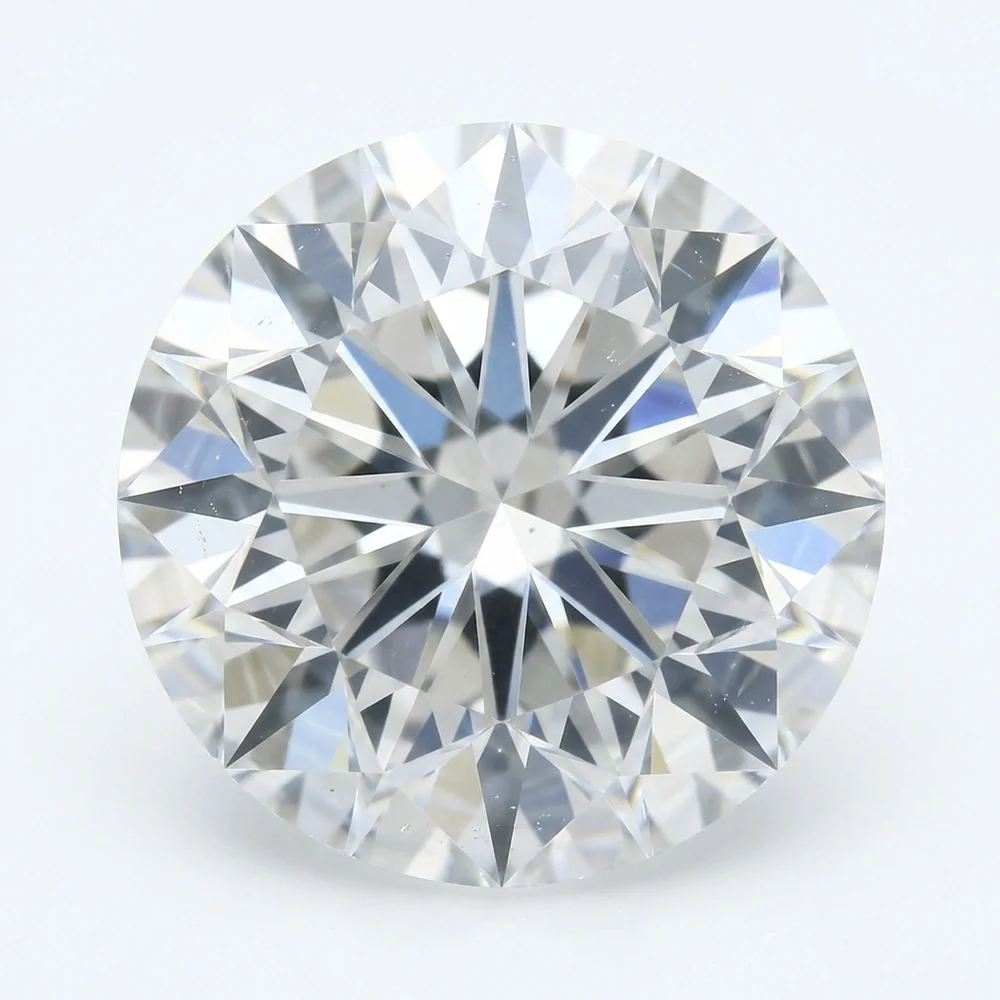
Diamond

10.0 Mohs (Hardest known natural mineral)

Colorless (D–Z scale) to fancy yellow, pink, blue, green, and brown, exhibiting adamantine luster and 0.044 dispersion. Crystallizes in Earth's mantle at...

Chemical formula
C (Isometric Crystalline Carbon)
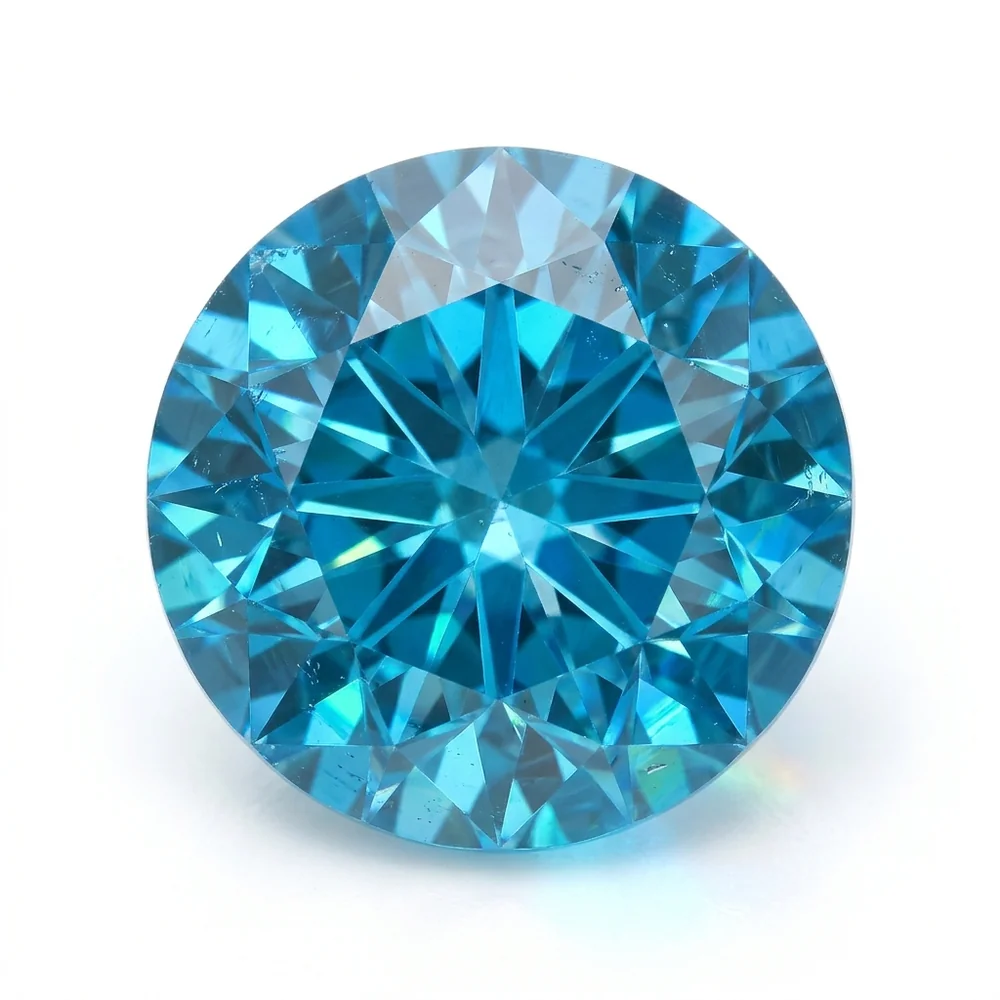
Zircon (Nesosilicate)

Zircon (Natural Mineral)

6.5 – 7.5 Mohs

Electric Starlight blue, cinnamon-honey, imperial red, forest green, and diamond-bright colorless, exhibiting sub-adamantine luster and strong double refraction (facet doubling). Earth's oldest...

Chemical formula
ZrSiO₄ (Zirconium Silicate, with trace Hf, U, Th)
Forsterite-Fayalite Olivine Series (Nesosilicate)

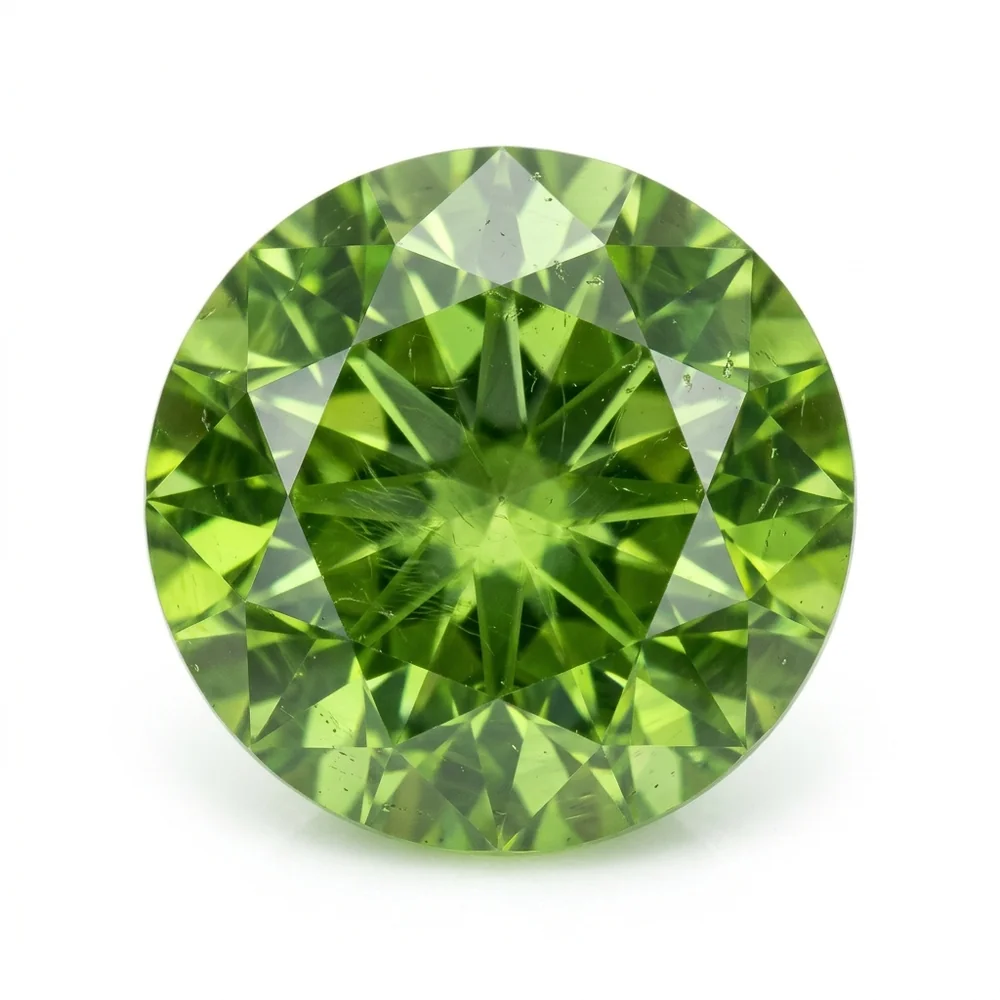
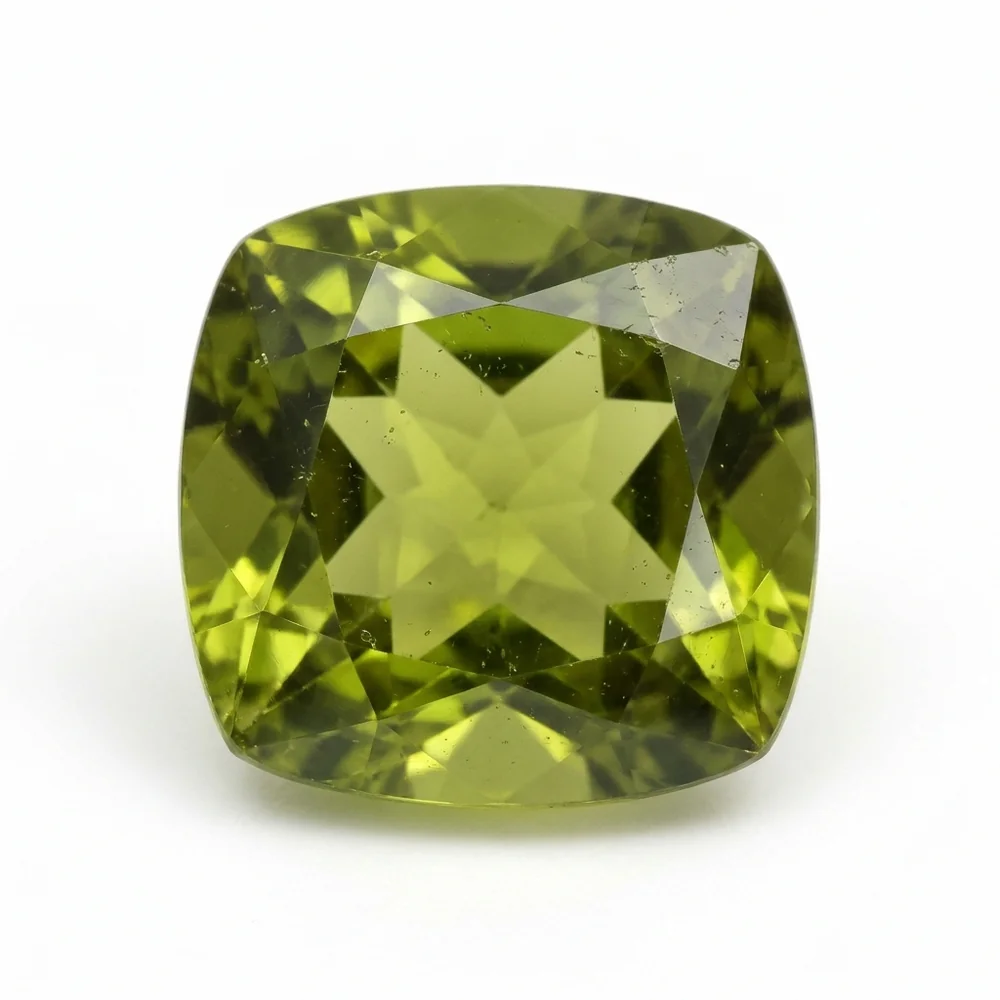
Peridot (Olivine)

6.5 – 7.0 Mohs

Idiochromatic (colored by its essential iron content rather than trace impurities) in shades of lime green, yellowish-green, to deep rich olive-apple green....

Chemical formula
(Mg,Fe)₂SiO₄ (Magnesium-Iron Silicate; ~88–92% Forsterite)
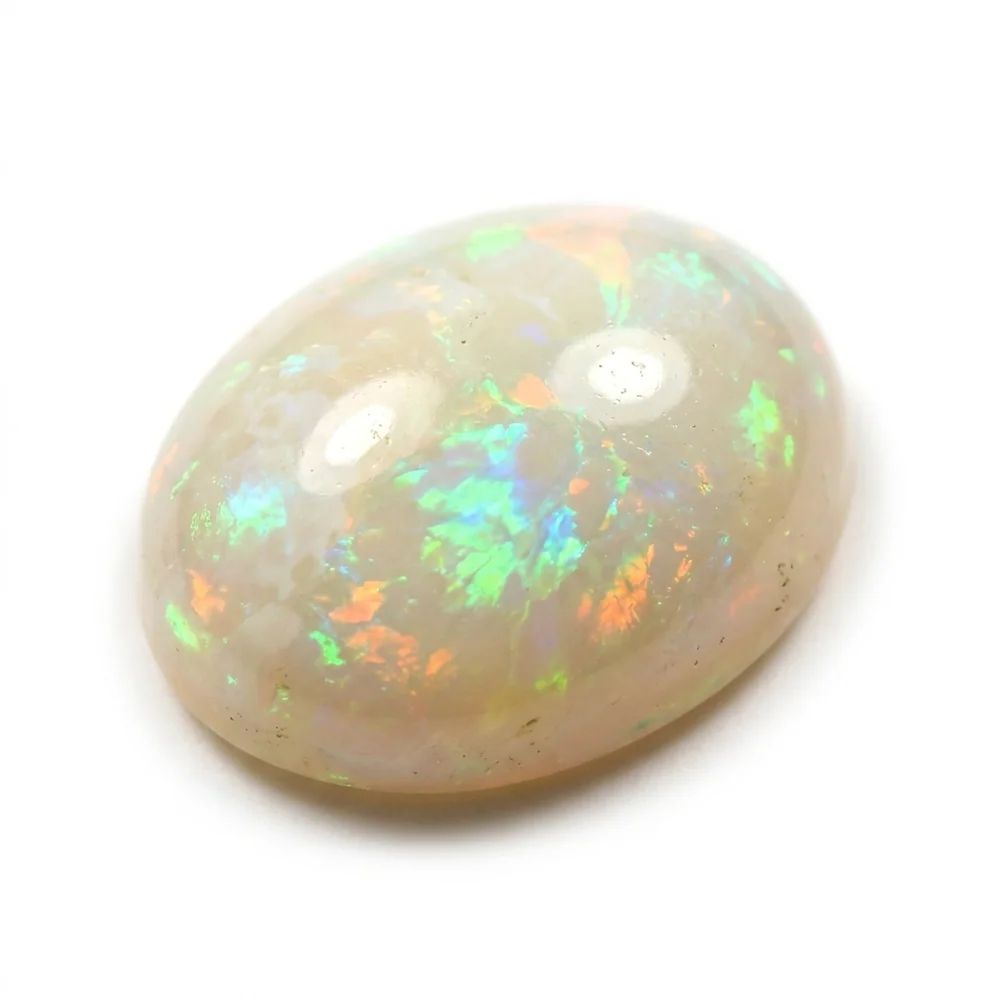
Opal (Hydrated Amorphous Silicaoid)

Opal

5.5 – 6.5 Mohs

White, dark/black, crystal, or orange-red body color displaying spectral 'play-of-color' (flashes of red, green, blue, and violet) caused by diffraction of light...

Chemical formula
SiO₂ · nH₂O (Hydrated Silicon Dioxide containing 3–10%+ water)
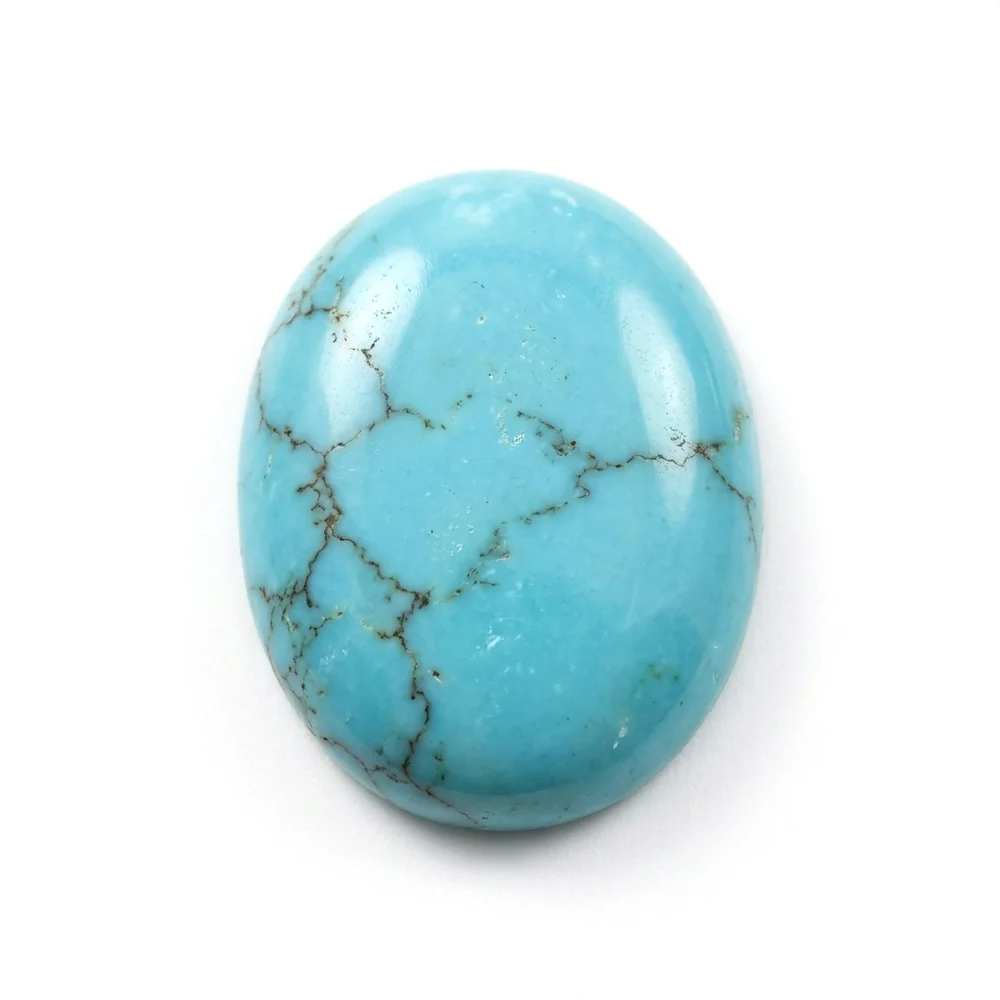
Turquoise (Phosphate Group)

Turquoise (Feroza)

5.0 – 6.0 Mohs

Robin's-egg sky blue to greenish-blue (when iron substitutes for aluminum), either clear unmatrixed or traversed by dark brown/black limonite, chert, or pyrite...

Chemical formula
CuAl₆(PO₄)₄(OH)₈ · 4H₂O (Hydrated Copper Aluminum Phosphate)
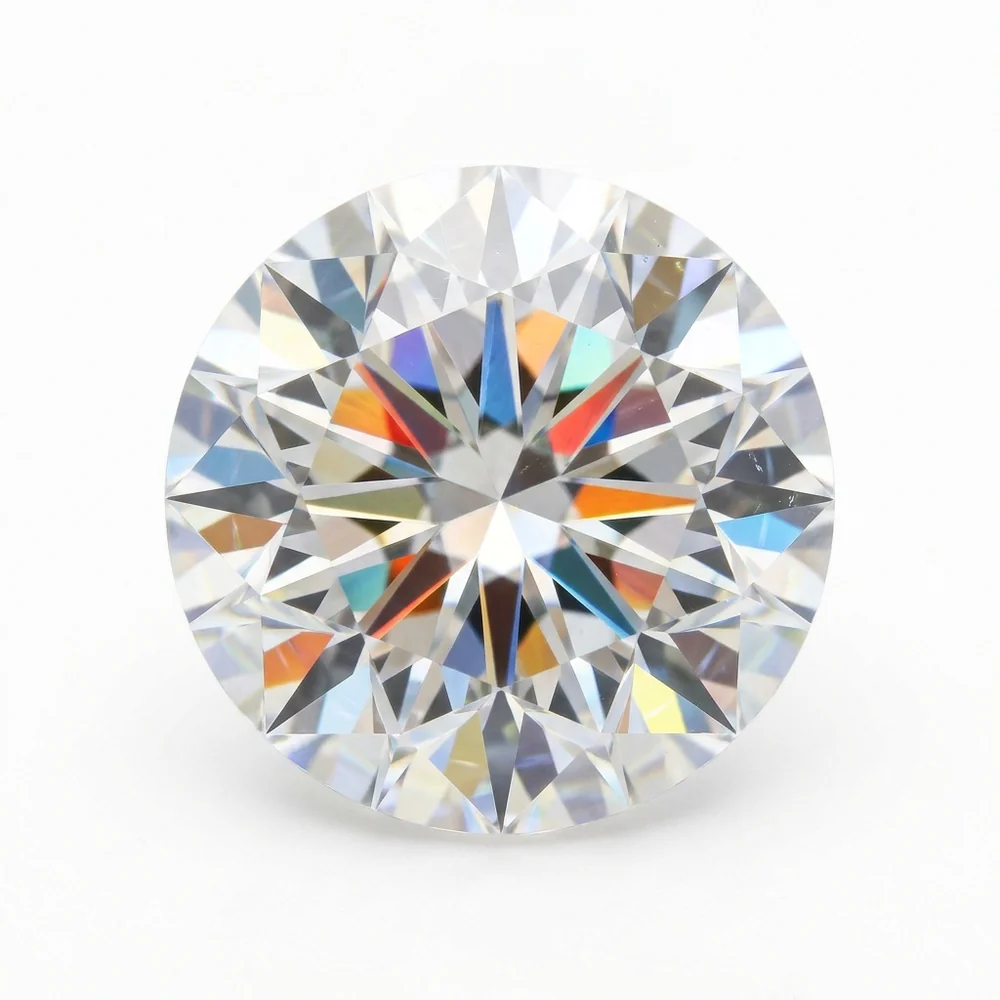
Moissanite (Carbide)

Moissanite (Silicon Carbide)

9.25 Mohs

Colorless, near-colorless, or fancy yellow/green/blue-green with adamantine-to-submetallic luster and rainbow dispersion (0.104) more than double that of diamond (0.044). Natural moissanite was...

Chemical formula
SiC (Silicon Carbide)
Topaz (Nesosilicate)

Topaz

8.0 Mohs

Naturally colorless, champagne-sherry (Skardu/Shigar pegmatites), golden-orange (Imperial), or rare natural cyclamen pink (Katlang, Pakistan); also vivid sky, Swiss, and London blue via...

Chemical formula
Al₂SiO₄(F,OH)₂ (Aluminum Fluoro-Hydroxyl Silicate)
WhatsApp