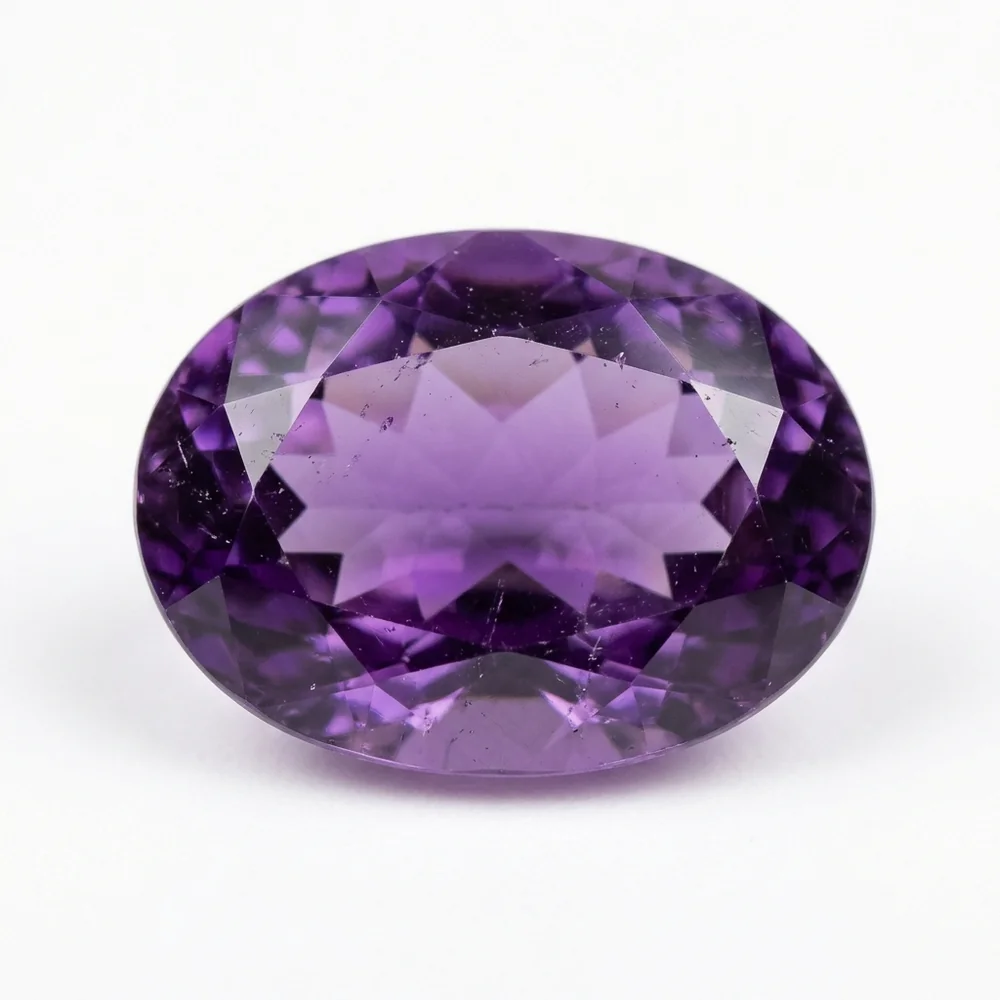
Lilac lavender to deep royal purple, often with angular color zoning aligned with rhombohedral crystal faces.
Chemical formula
SiO₂ + Fe³⁺/Fe⁴⁺ color centersCloudy white to translucent snow-white caused by Tyndall scattering from millions of microscopic fluid cavities trapped during rapid crystal growth.
| Mineral Family | Quartz |
|---|---|
| Mineral Species | Macrocrystalline Quartz |
| Gemological Variety | Milky Quartz |
| Chemical Composition | SiO₂ with microscopic fluid (gas-liquid) inclusions |
| Crystal System | Trigonal |
| Mohs Hardness | 7.0 Mohs |
| Specific Gravity | 2.65 |
| Refractive Index | 1.544 – 1.553 |
Cloudy white to translucent snow-white caused by Tyndall scattering from millions of microscopic fluid cavities trapped during rapid crystal growth.
Common in hydrothermal quartz veins and pegmatite margins worldwide.
Often forms the snowy matrix pedestal for gem tourmaline, aquamarine, or gold specimens, and is cut into serene white cabochons.
Smooth cabochons, beads, and sculptural contemporary jewelry.
Untreated natural material.
Wash with warm soapy water; avoid thermal shock due to internal fluid inclusions.
Associated with calm, simplicity, and quiet reflection.
Note: Cultural and birthstone traditions are presented strictly as historical folklore, never as scientifically verified medical or metaphysical effects.
Lilac lavender to deep royal purple, often with angular color zoning aligned with rhombohedral crystal faces.
SiO₂ + Fe³⁺/Fe⁴⁺ color centers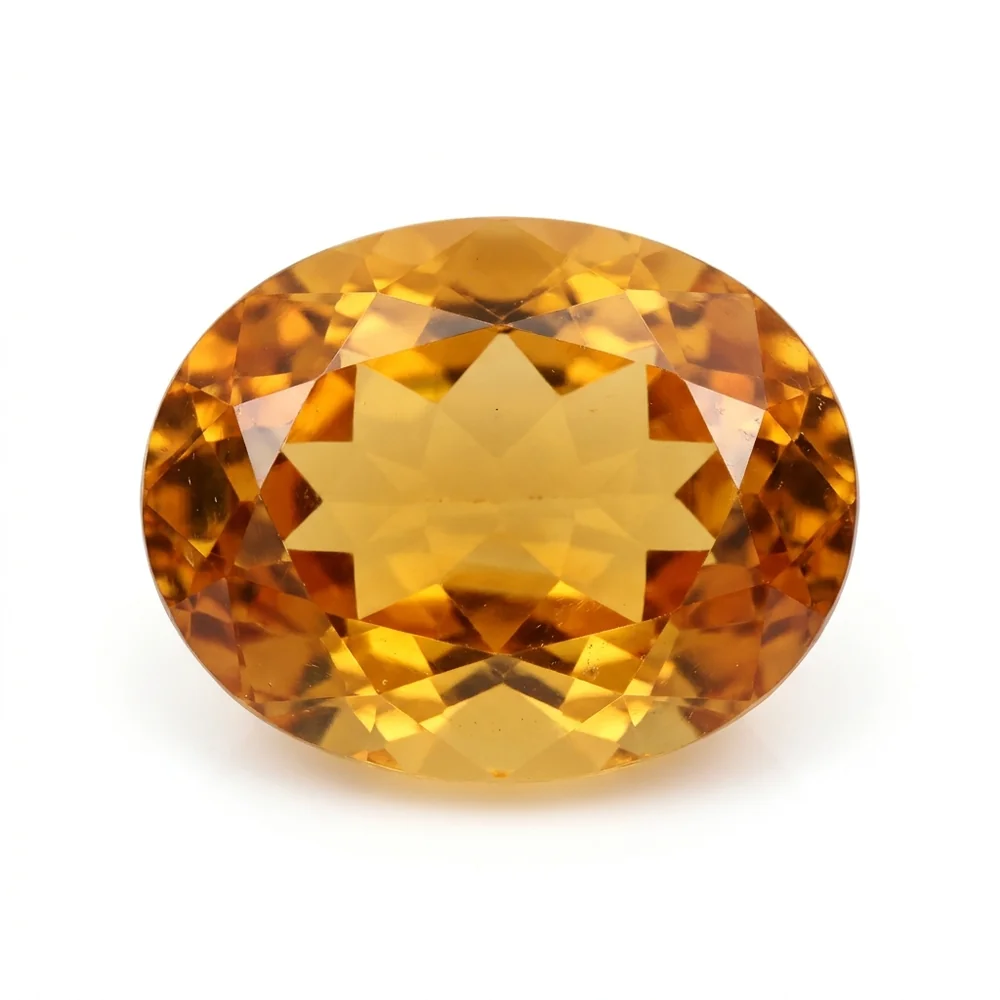
Pale yellow, honey gold, to warm Madeira orange-brown.
SiO₂ + Fe³⁺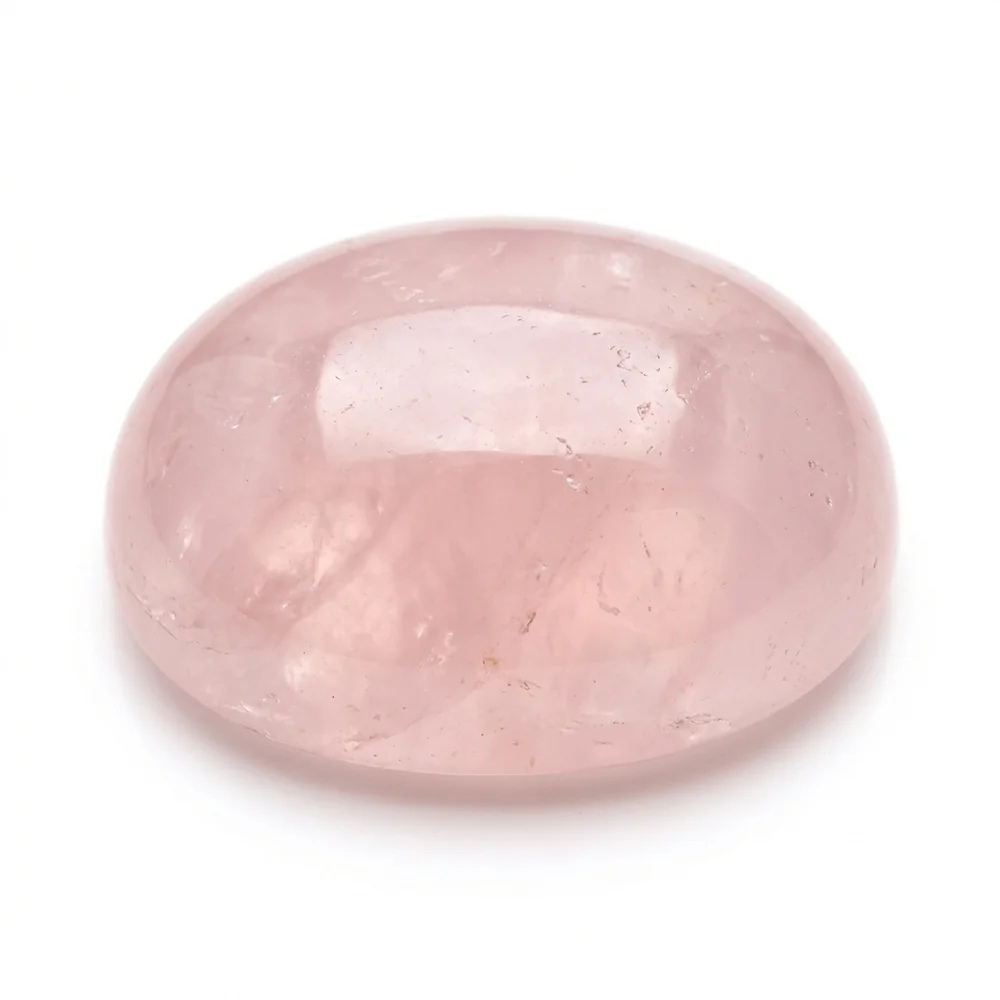
Soft pastel pink to rose pink, typically translucent to milky with gentle internal light scattering (sometimes showing asterism...
SiO₂ + microscopic borosilicate (dumortierite-type) nanofibersPopular searches