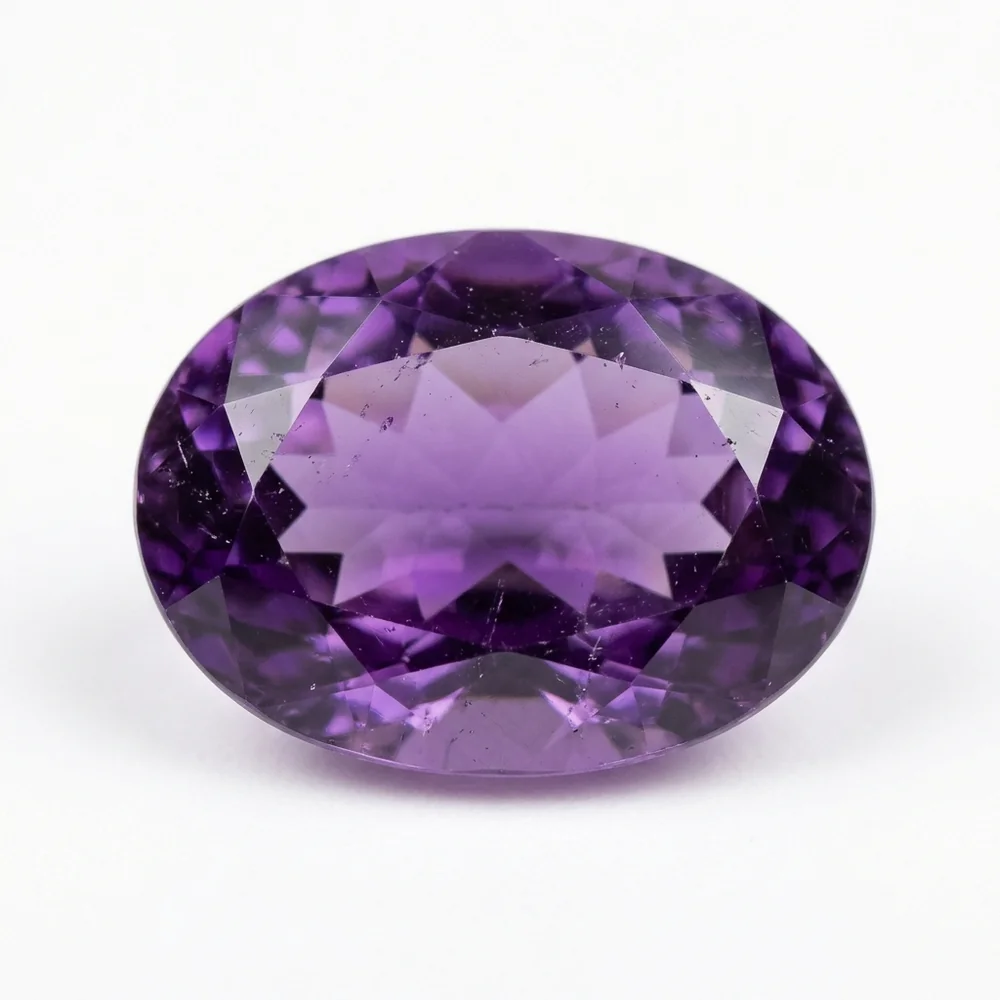
Lilac lavender to deep royal purple, often with angular color zoning aligned with rhombohedral crystal faces.
Chemical formula
SiO₂ + Fe³⁺/Fe⁴⁺ color centersSoft pastel pink to rose pink, typically translucent to milky with gentle internal light scattering (sometimes showing asterism when cut en cabochon).
| Mineral Family | Quartz |
|---|---|
| Mineral Species | Macrocrystalline Quartz |
| Gemological Variety | Rose Quartz |
| Chemical Composition | SiO₂ + microscopic borosilicate (dumortierite-type) nanofibers |
| Crystal System | Trigonal |
| Mohs Hardness | 7.0 Mohs |
| Specific Gravity | 2.65 |
| Refractive Index | 1.544 – 1.553 |
Soft pastel pink to rose pink, typically translucent to milky with gentle internal light scattering (sometimes showing asterism when cut en cabochon).
Occurs primarily in the cores of granitic pegmatites in Pakistan, Brazil, Madagascar, and Mozambique.
Rare euhedral crystalline rose quartz on matrix and star rose quartz cabochons are especially sought after.
Popular for cabochons, beaded necklaces, carvings, and faceted translucent drops.
Generally untreated; dyed pink crackle quartz imitations exist in low-end markets and are rejected by FADI Gems.
Clean with lukewarm soapy water; protect from prolonged harsh sunlight.
Traditionally associated across cultures with kindness, affection, and peaceful contemplation.
Note: Cultural and birthstone traditions are presented strictly as historical folklore, never as scientifically verified medical or metaphysical effects.
Lilac lavender to deep royal purple, often with angular color zoning aligned with rhombohedral crystal faces.
SiO₂ + Fe³⁺/Fe⁴⁺ color centers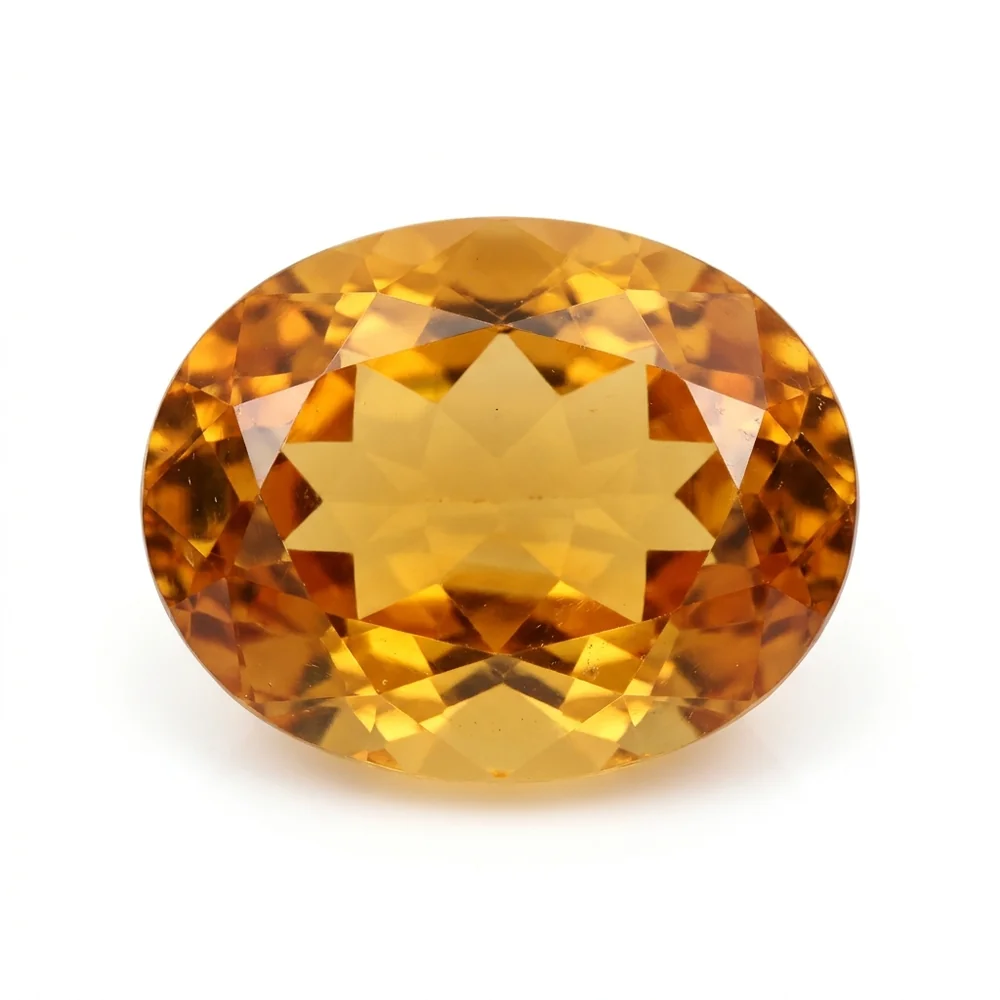
Pale yellow, honey gold, to warm Madeira orange-brown.
SiO₂ + Fe³⁺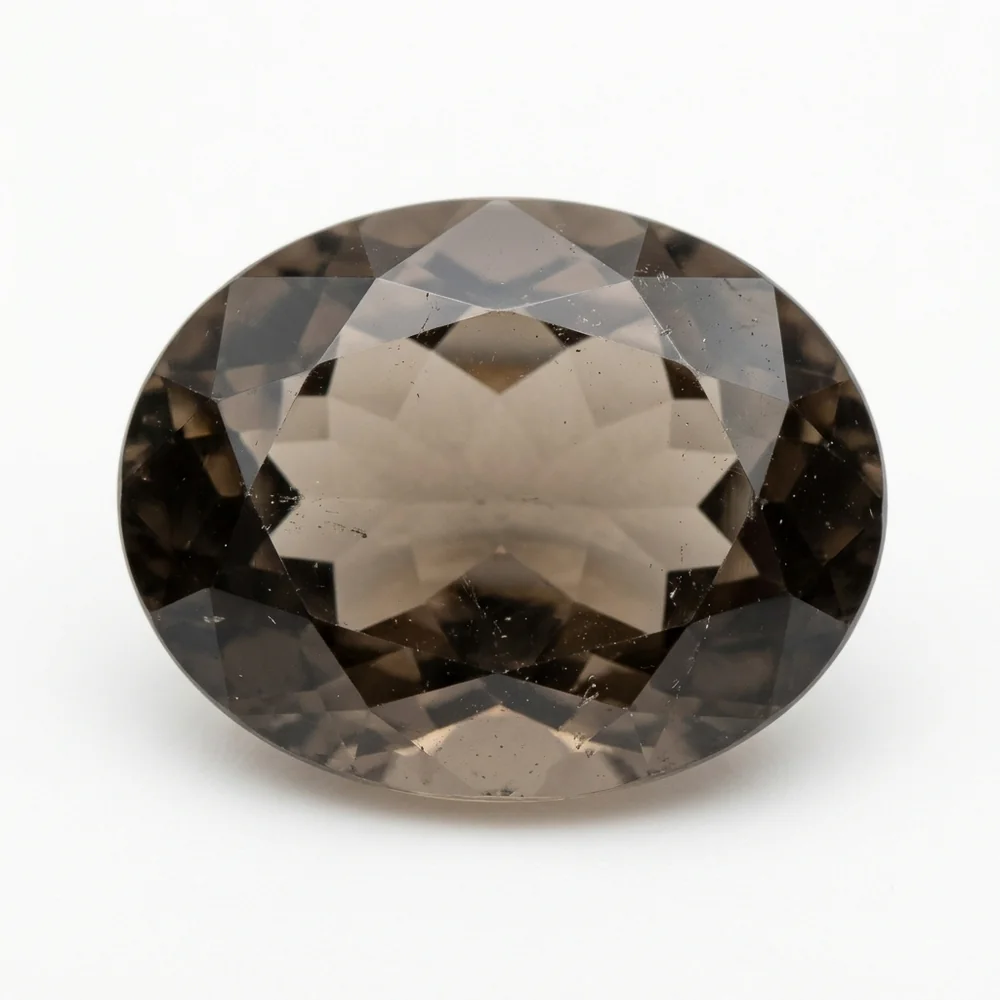
Translucent smoky tan and cognac brown to nearly opaque black (known mineralogically as 'Morion').
SiO₂ + Al³⁺ color centers activated by natural background radiationPopular searches