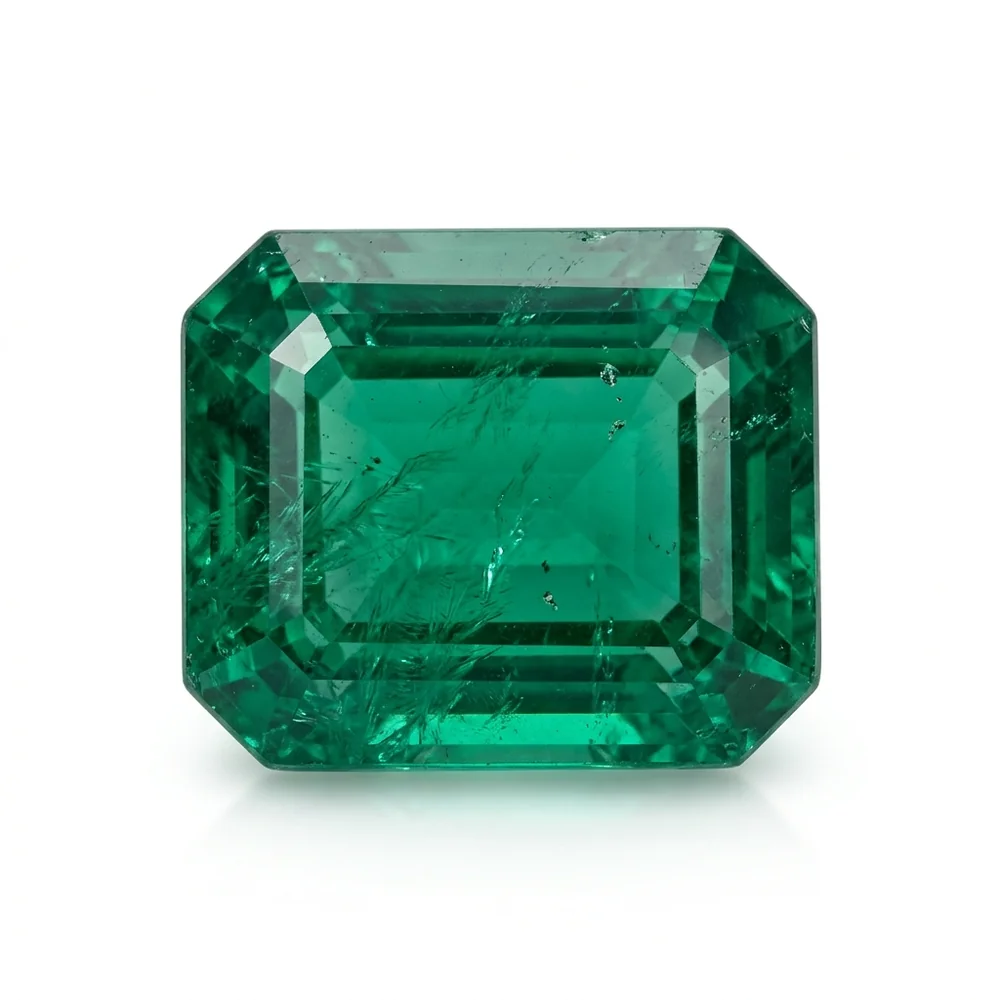
Rich bluish-green to pure vivid green; trace chromium and vanadium impart the signature emerald hue.
Chemical formula
Be₃Al₂(SiO₃)₆ + Cr³⁺/V³⁺ (Beryllium Aluminum Silicate with Chromium and/or Vanadium)Lemon yellow, golden honey, to greenish-yellow, colored by ferric iron (Fe3+) substituting for aluminum.
| Mineral Family | Beryl |
|---|---|
| Mineral Species | Beryl |
| Gemological Variety | Heliodor (Golden Beryl) |
| Chemical Composition | Be₃Al₂(SiO₃)₆ + Fe³⁺ |
| Crystal System | Hexagonal |
| Mohs Hardness | 7.5 – 8.0 Mohs |
| Specific Gravity | 2.68 – 2.74 |
| Refractive Index | 1.570 – 1.580 |
Lemon yellow, golden honey, to greenish-yellow, colored by ferric iron (Fe3+) substituting for aluminum.
Crystallizes in granitic pegmatites alongside aquamarine and smoky quartz across Pakistan, Tajikistan, Ukraine, and Brazil.
Collectors value naturally etched prism crystals and high-clarity golden faceted stones.
Excellent durability and high transparency make heliodor suitable for all jewelry forms.
Many golden beryls are completely natural in color, though irradiation can induce yellow hues in colorless beryl.
Clean with warm soapy water and a soft brush; avoid prolonged high-heat exposure.
From the Greek 'gift of the sun' (helios + doron), traditionally symbolizing optimism, warmth, and mental clarity.
Note: Cultural and birthstone traditions are presented strictly as historical folklore, never as scientifically verified medical or metaphysical effects.
Rich bluish-green to pure vivid green; trace chromium and vanadium impart the signature emerald hue.
Be₃Al₂(SiO₃)₆ + Cr³⁺/V³⁺ (Beryllium Aluminum Silicate with Chromium and/or Vanadium)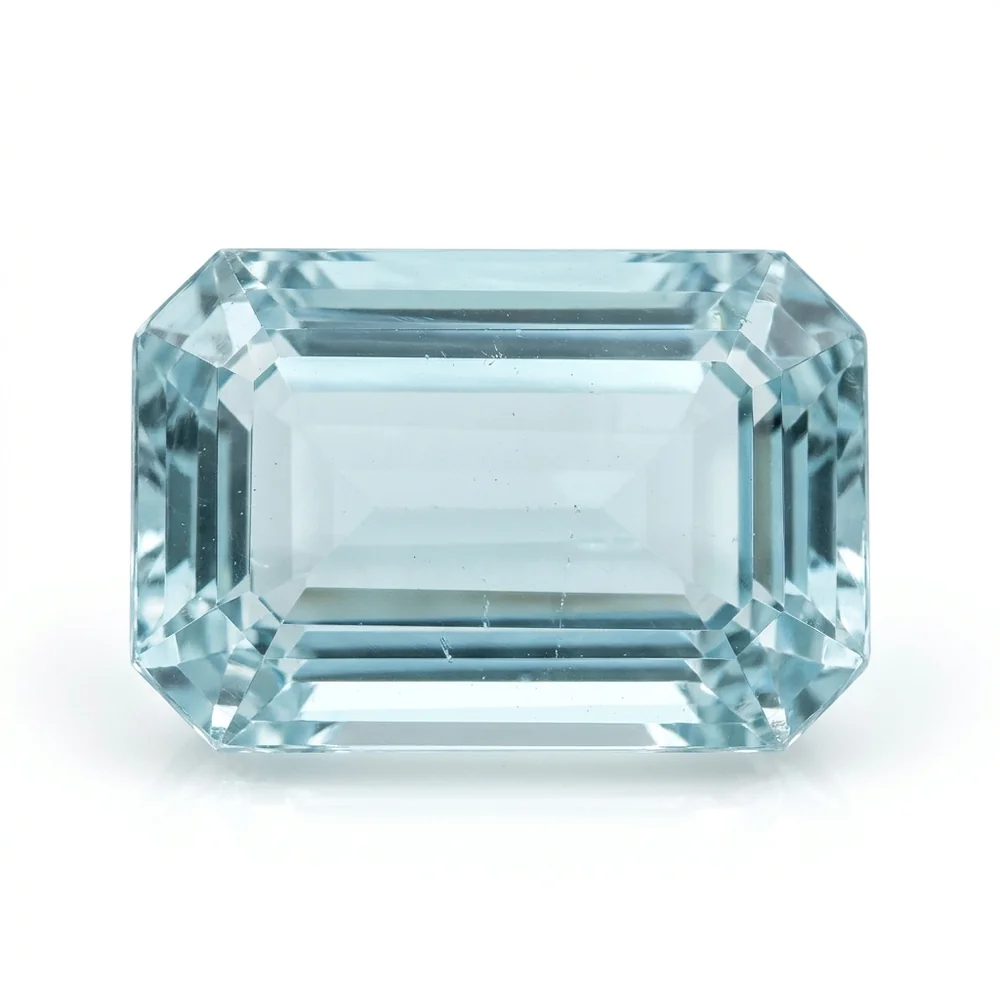
Pastel sky blue to deep sea-blue and greenish-blue, colored by trace iron within the hexagonal channel structure.
Be₃Al₂(SiO₃)₆ + Fe²⁺/Fe³⁺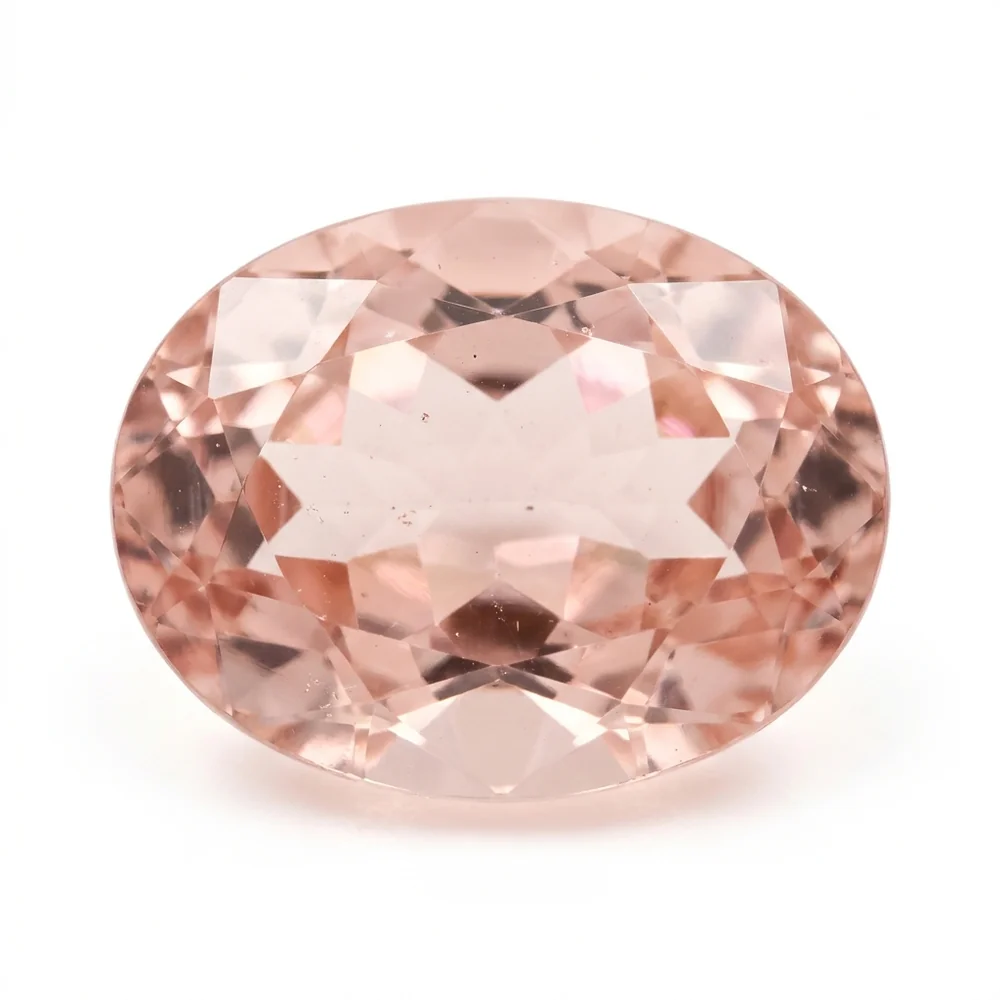
Soft rose pink, peach, and salmon-pink hues caused by trace manganese; often forms flat tabular hexagonal crystals.
Be₃Al₂(SiO₃)₆ + Mn²⁺/Mn³⁺Popular searches